
Pro-Line
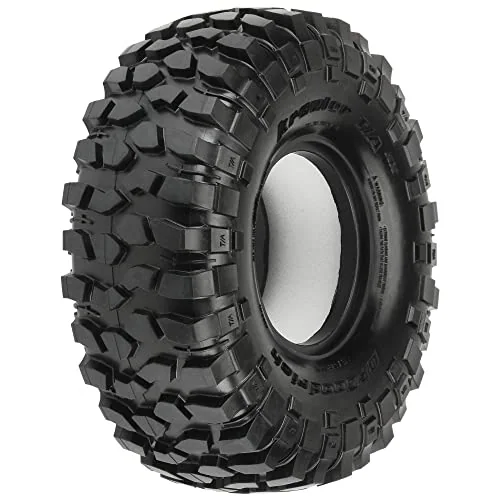
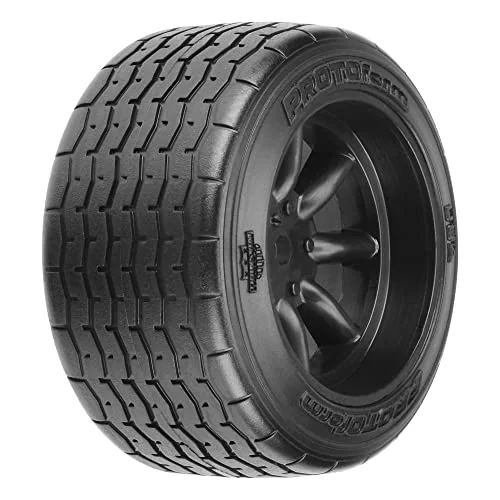
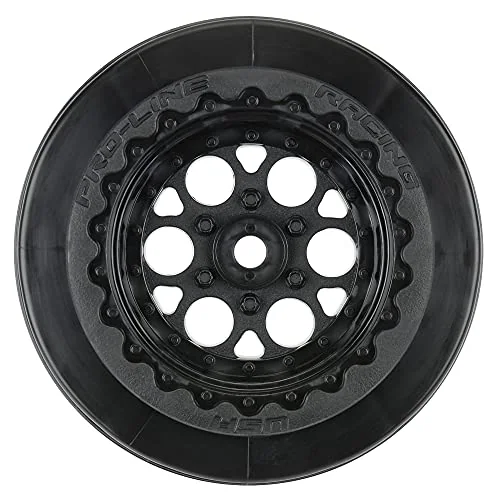
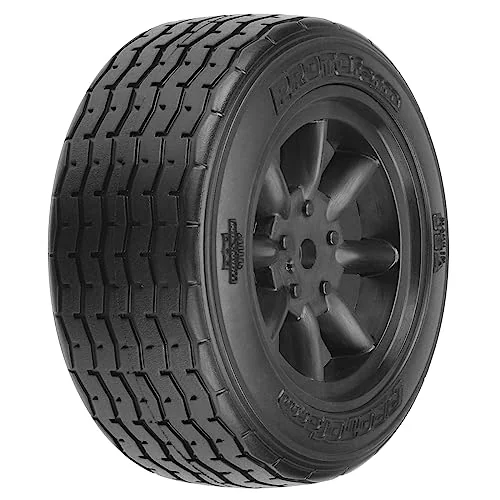
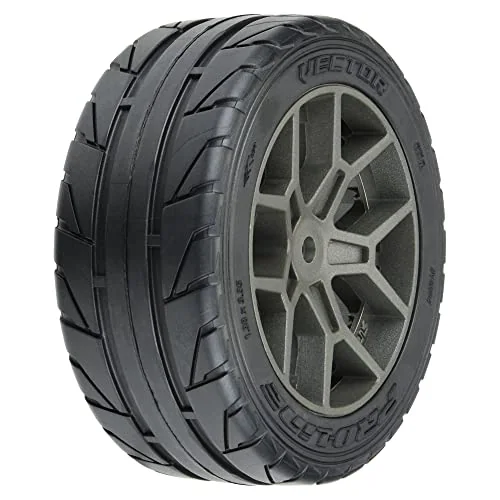
BFG Krawler T/A KX 1.9 Predator Tires F/R
Rock Crawler★★★★★4.7 243 ratings
New release
$24.99
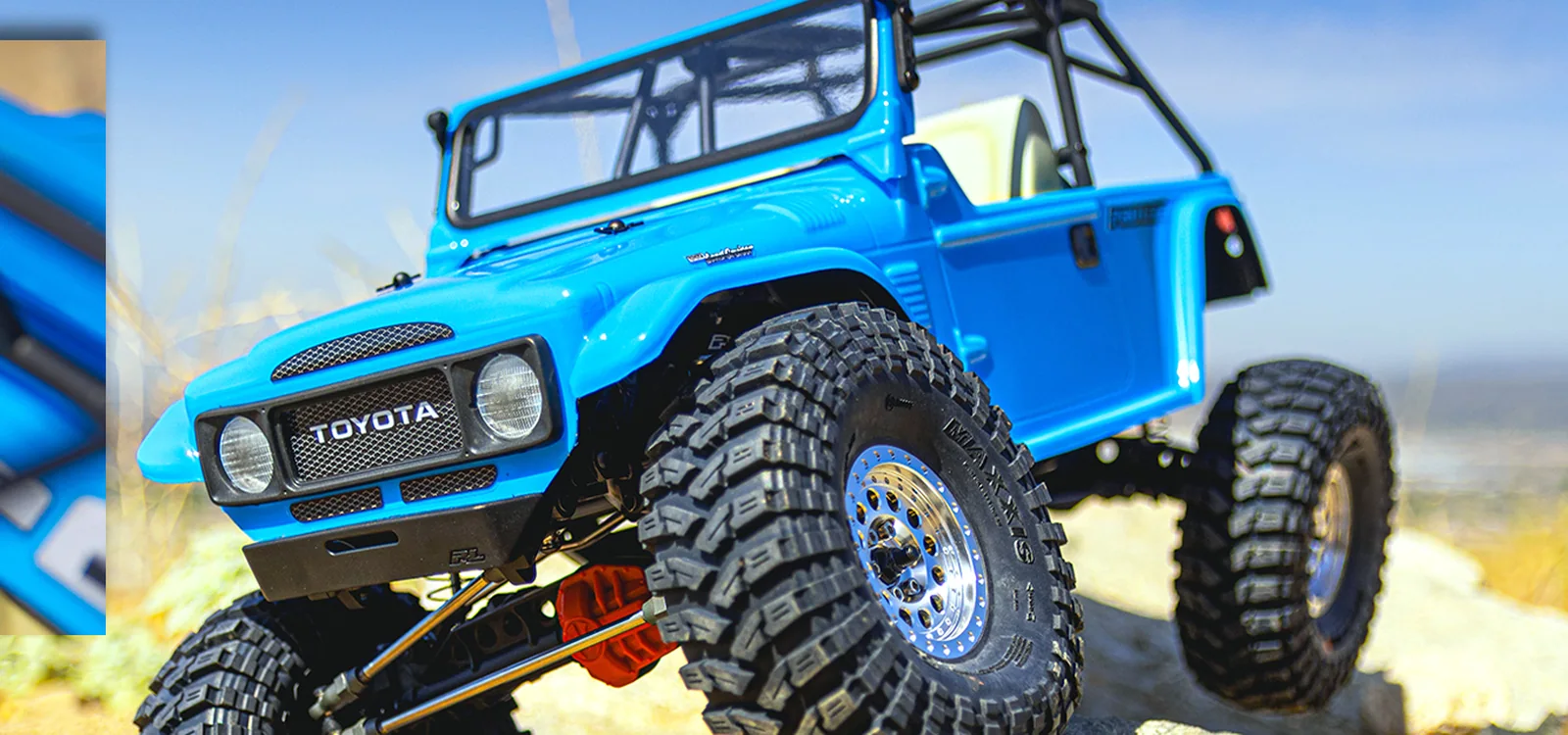
PIT BOX · 238 SETS
Rubber is where a run is won or lost, so this is the deepest pit box we keep. Pick the surface first, then the compound, then the hex.
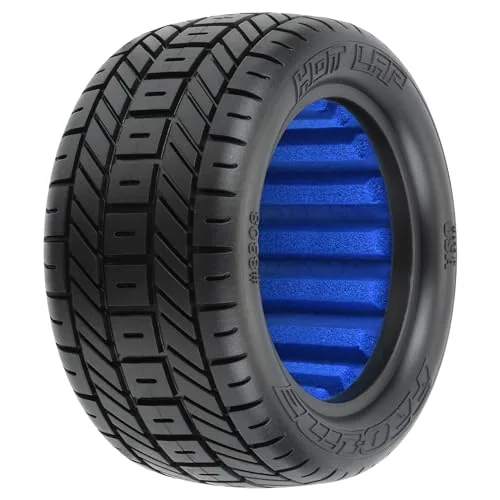
46 sets on this shelf
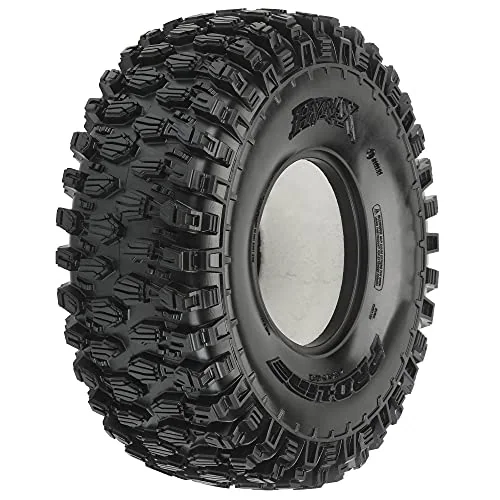
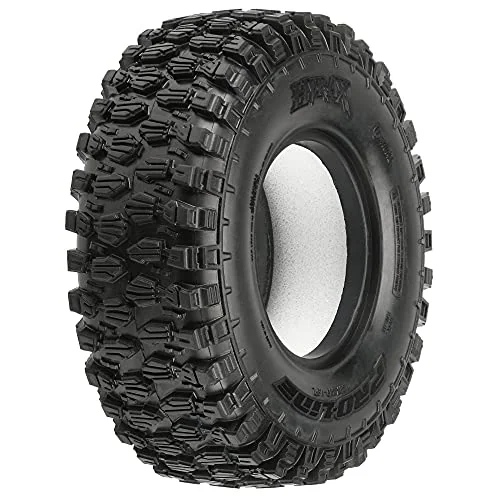
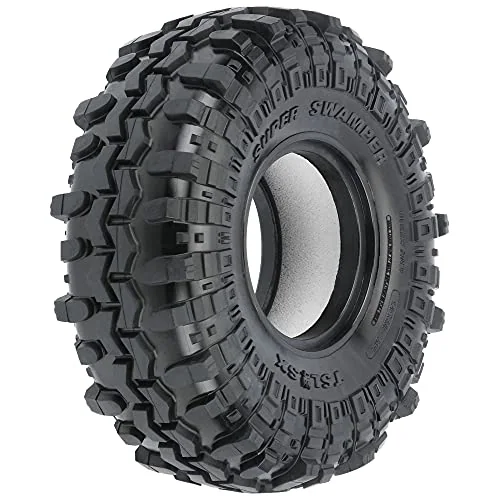
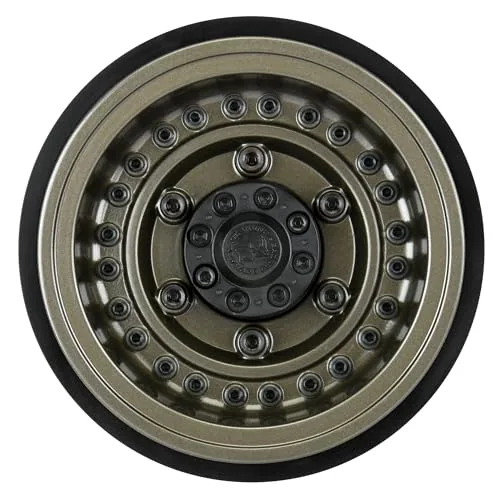
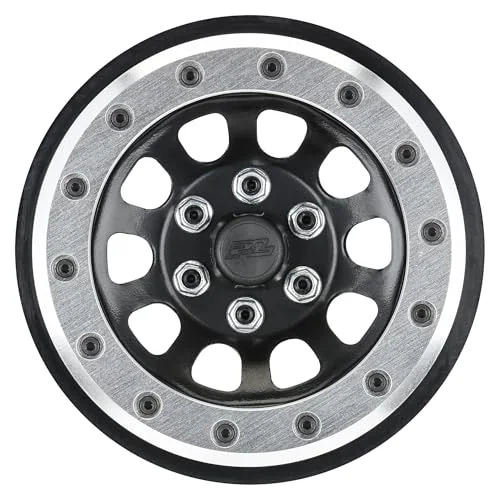
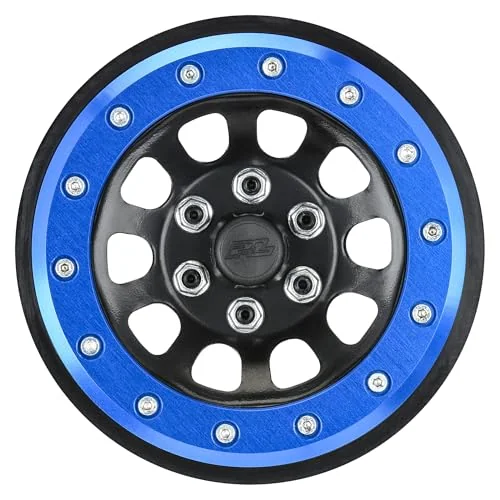
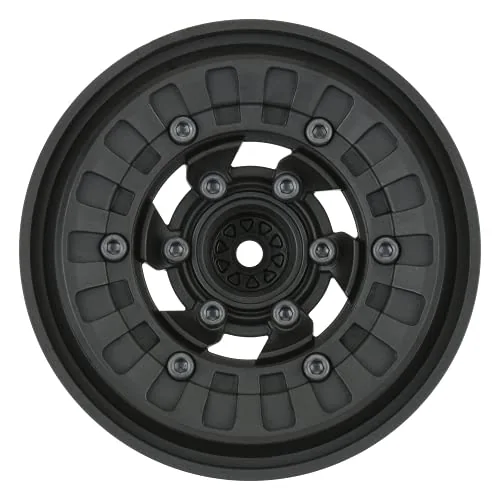
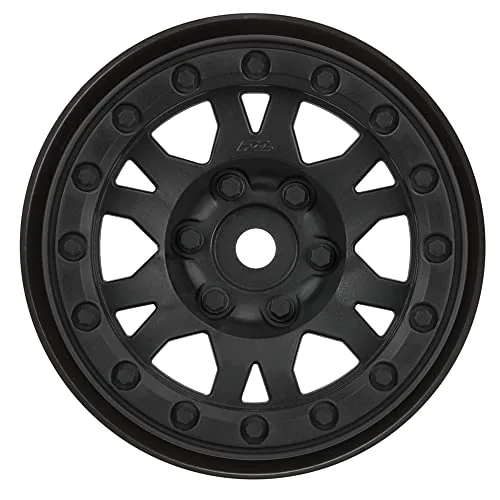
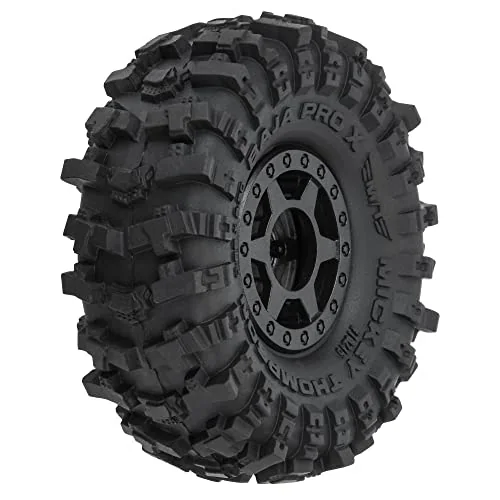
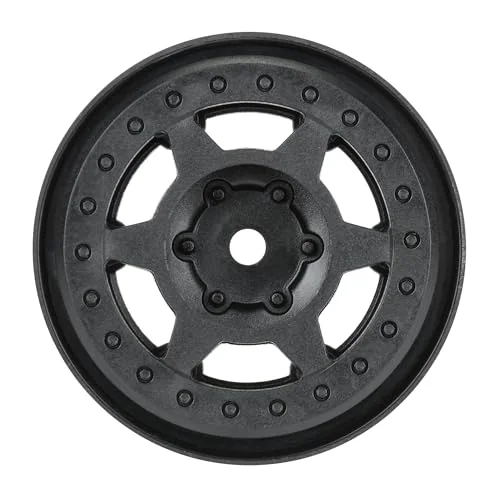
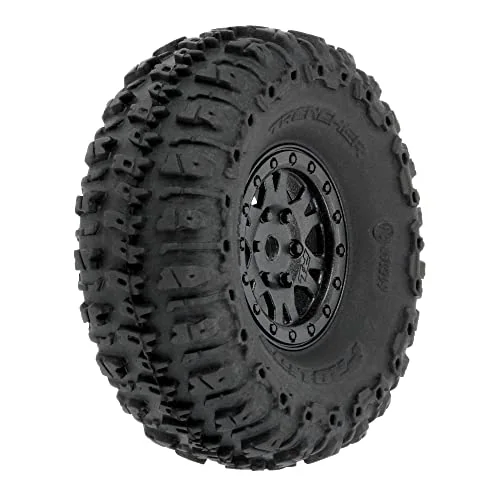
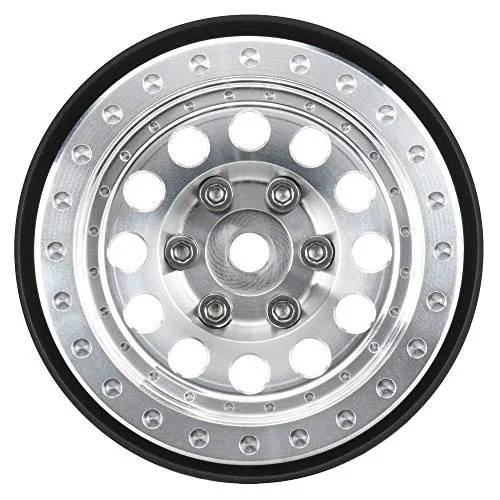
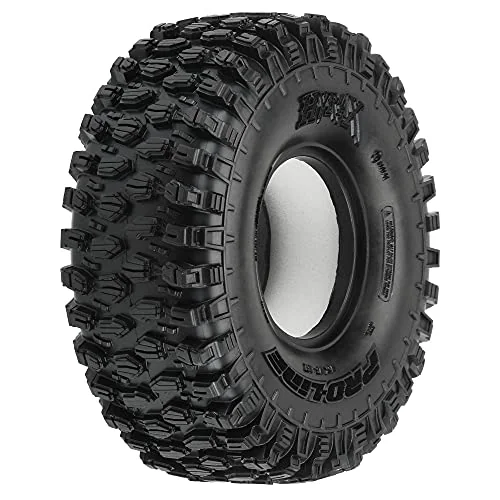
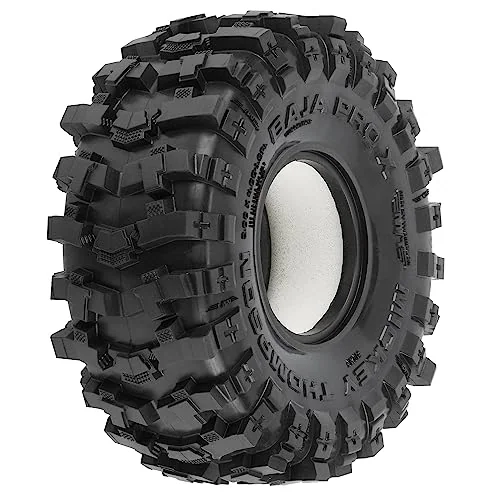
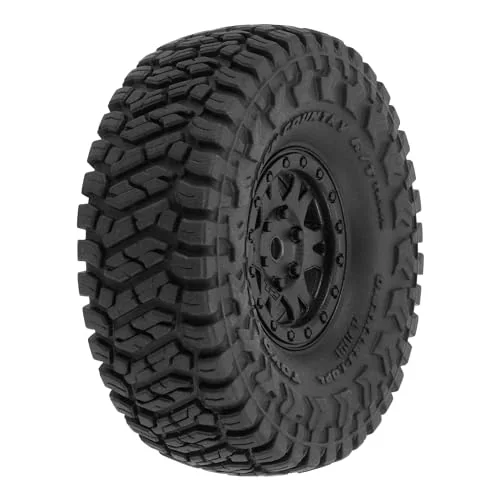
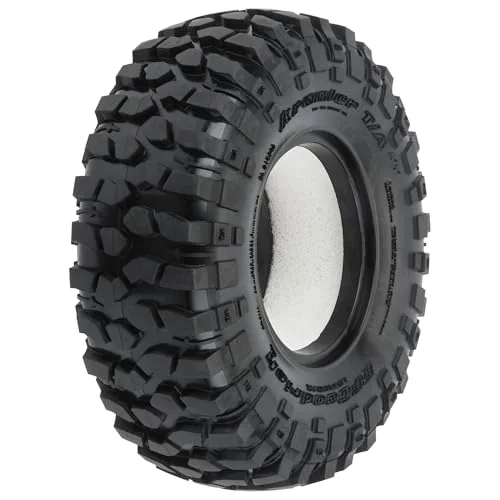
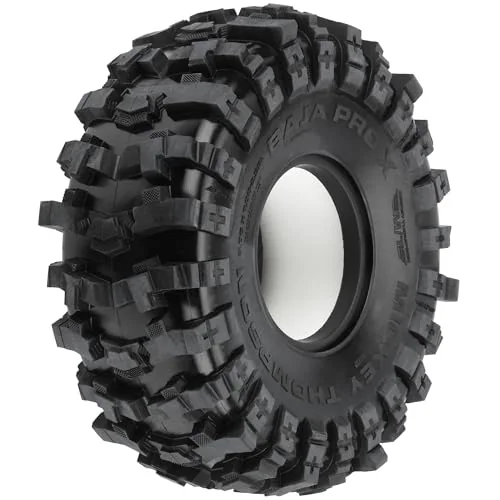
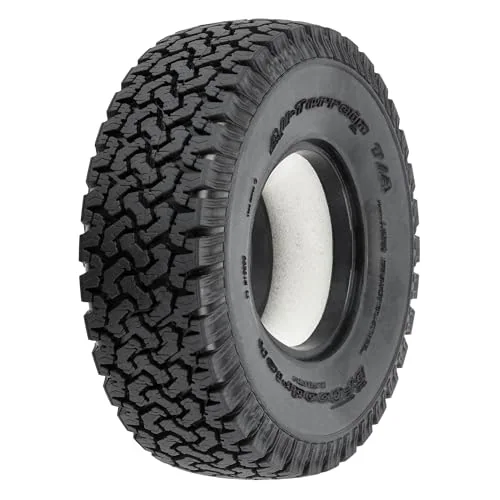
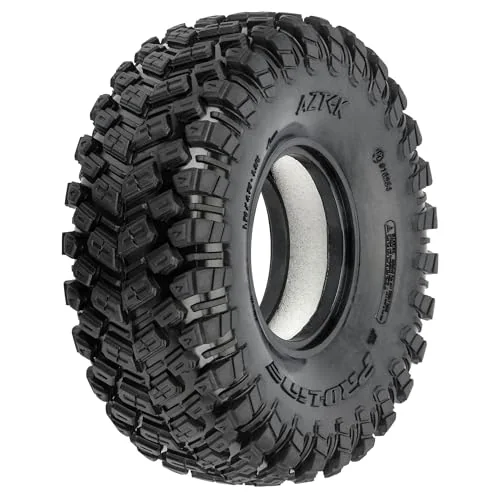
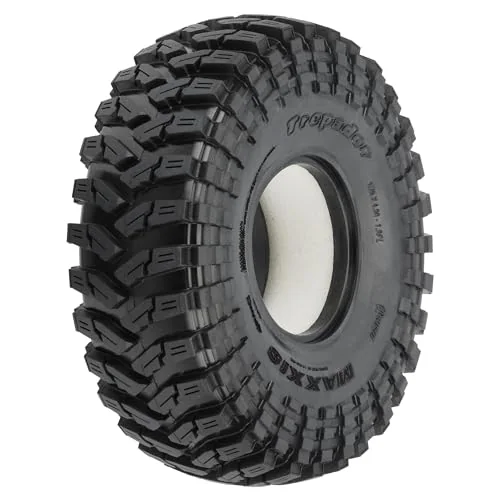
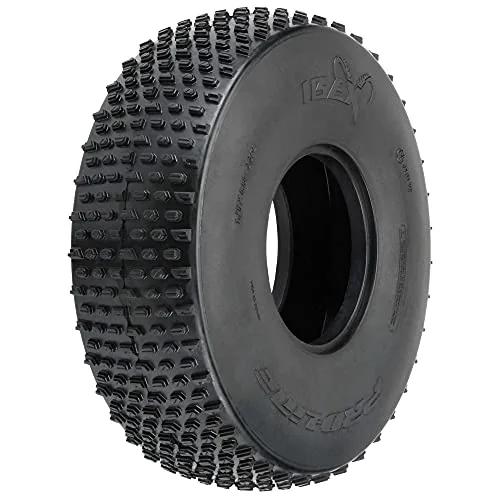
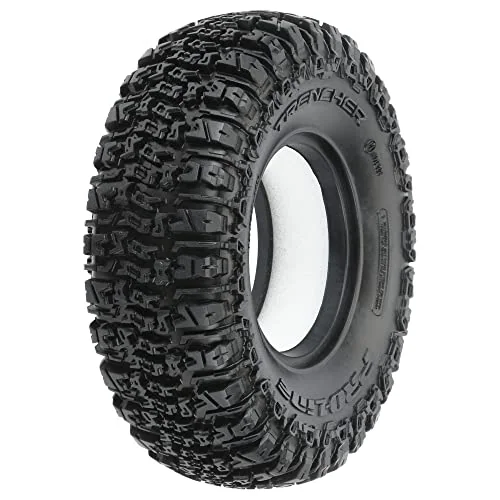
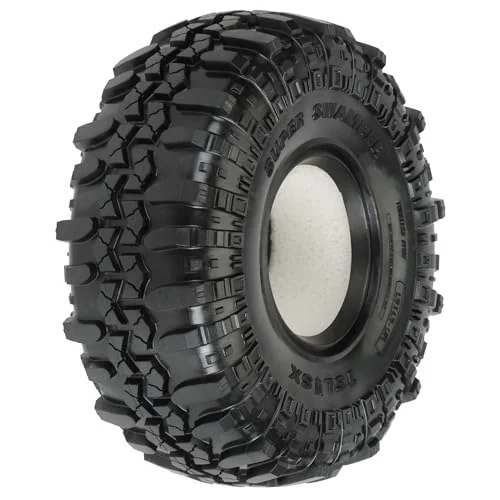
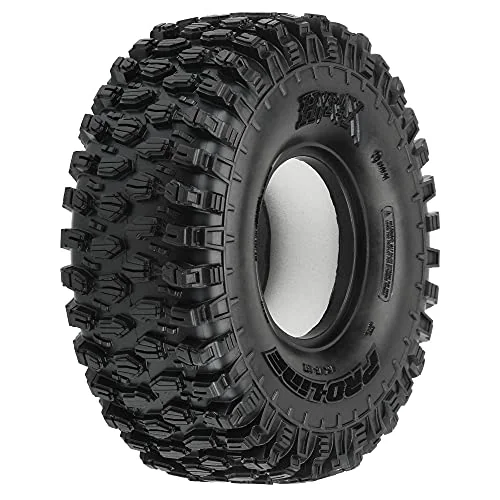
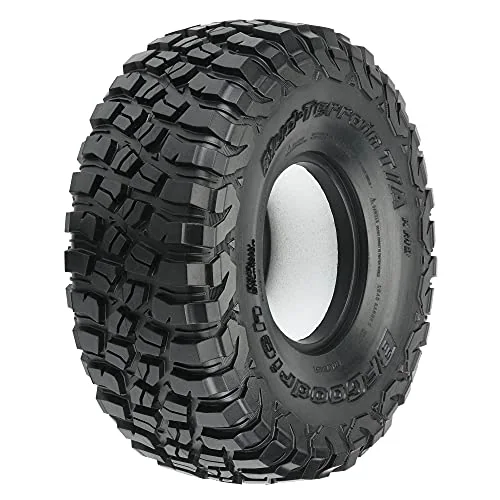
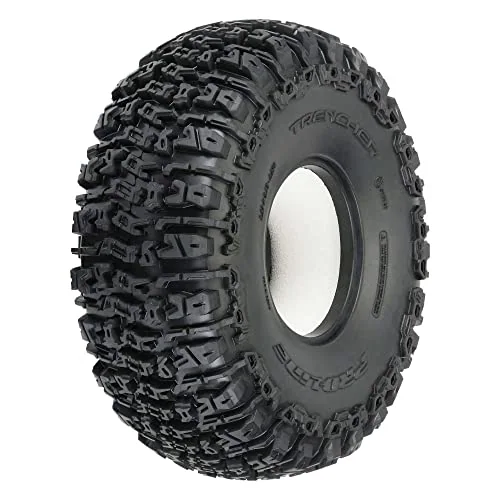
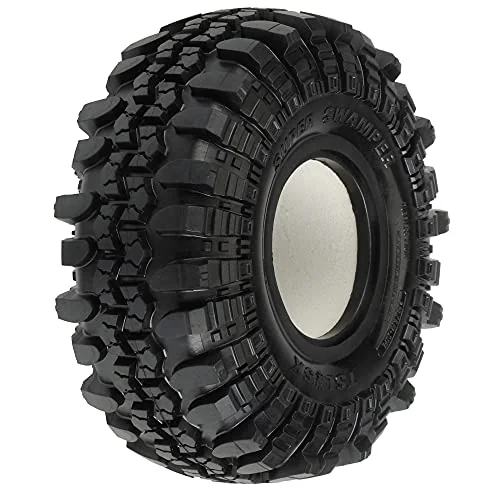
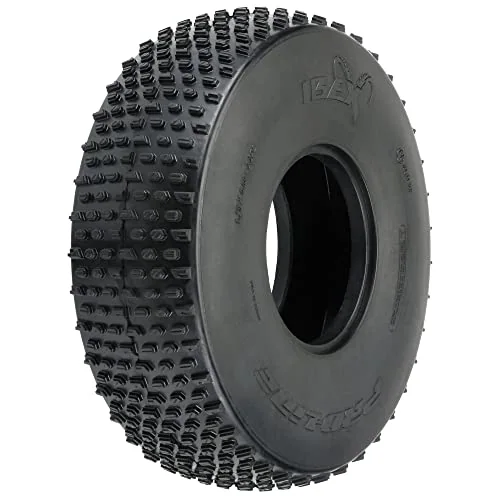
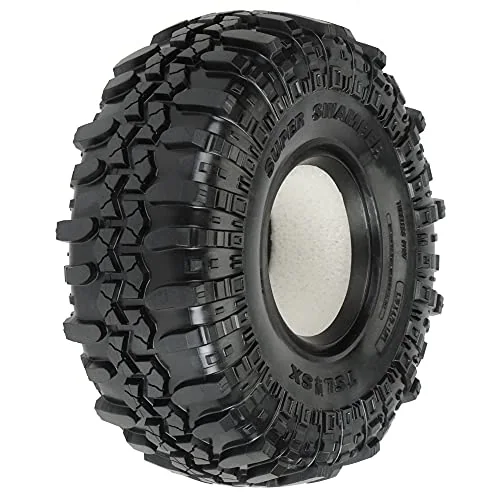
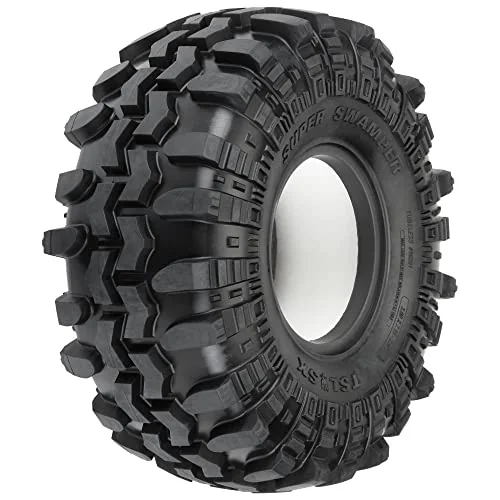
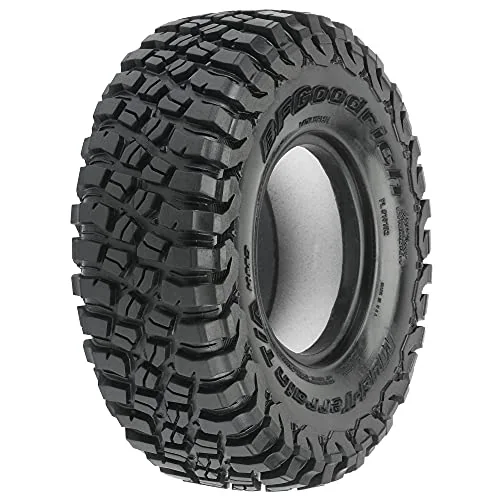
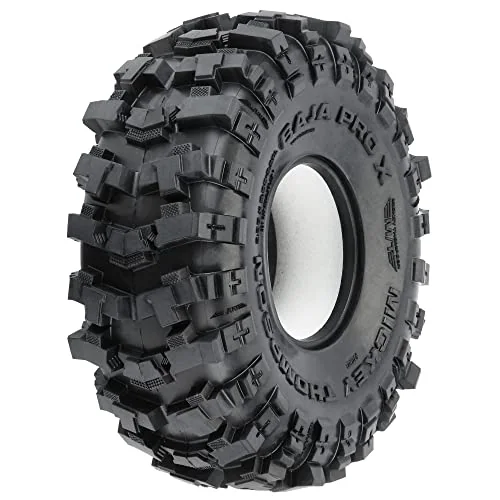
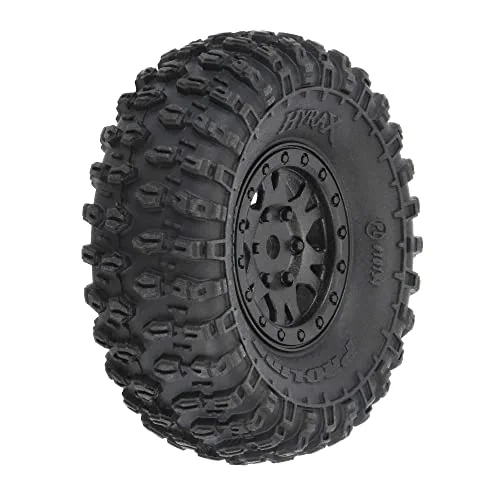
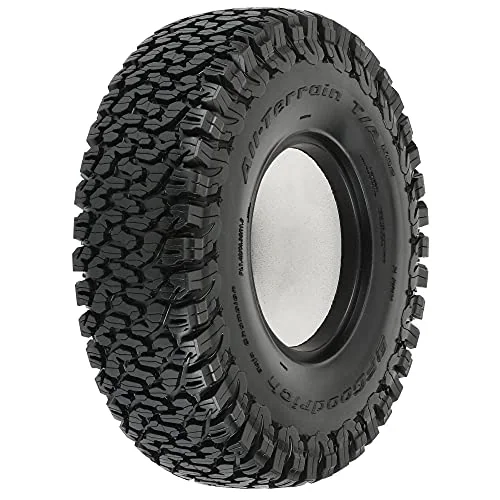
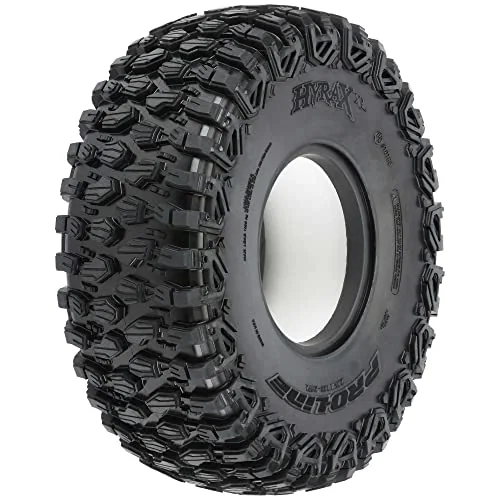
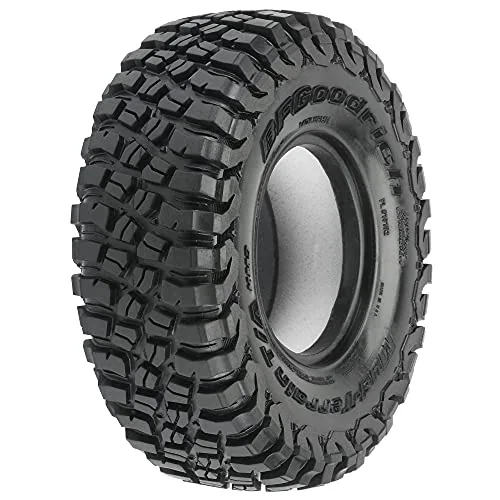
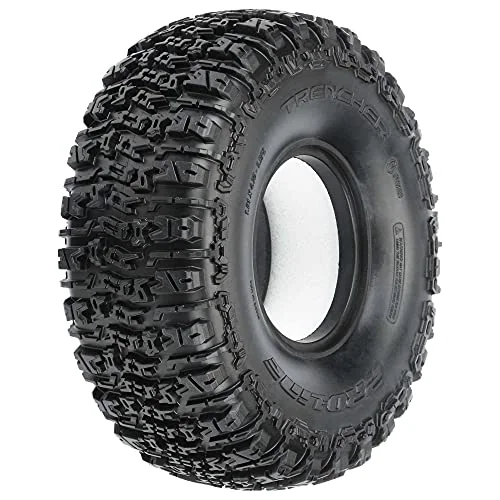
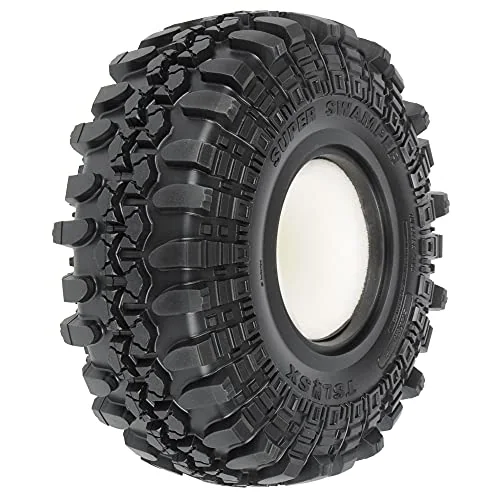
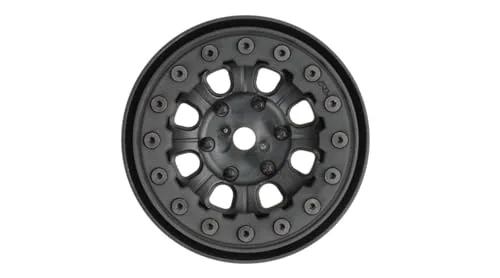
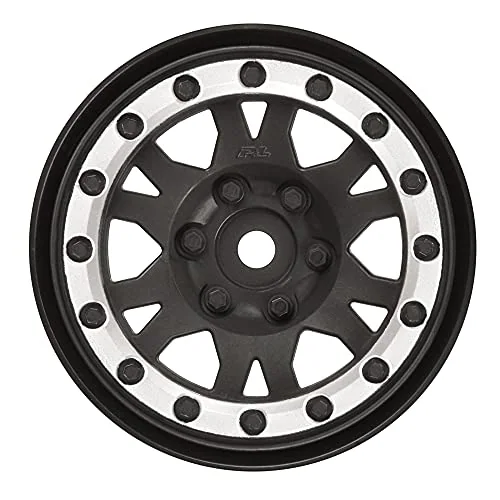
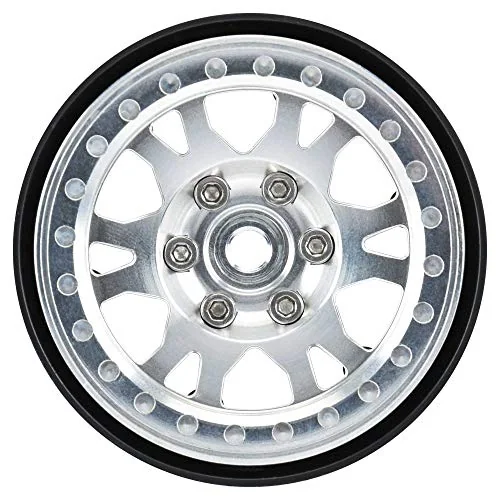
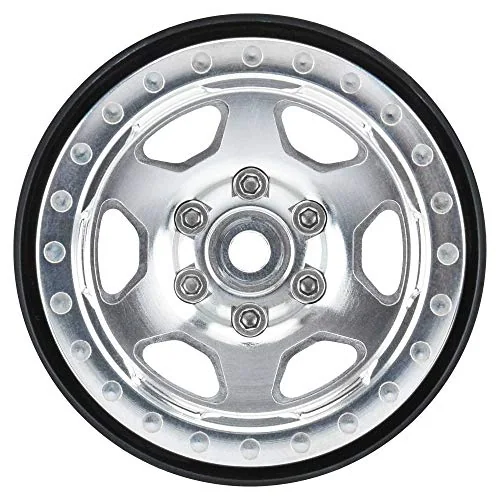
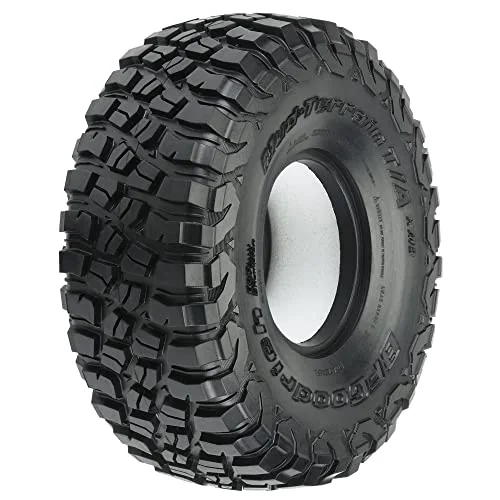
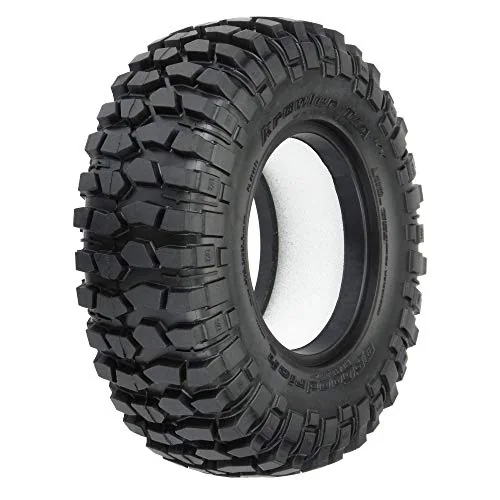
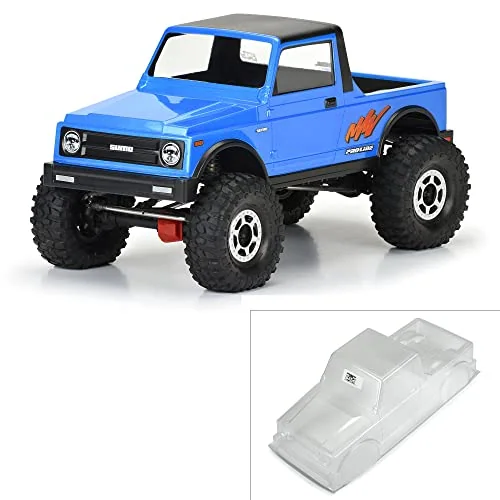
24 sets on this shelf
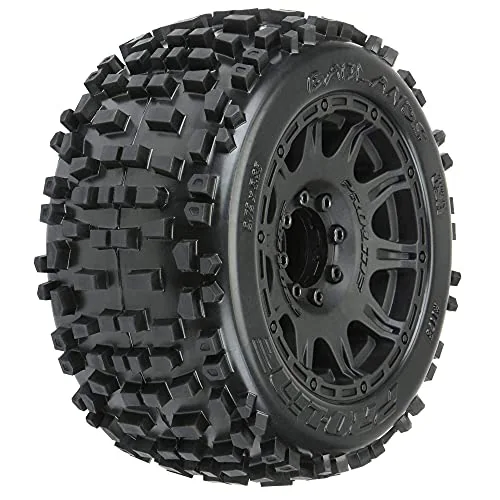
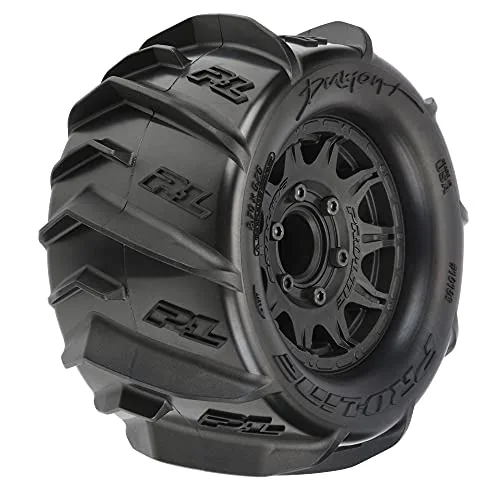
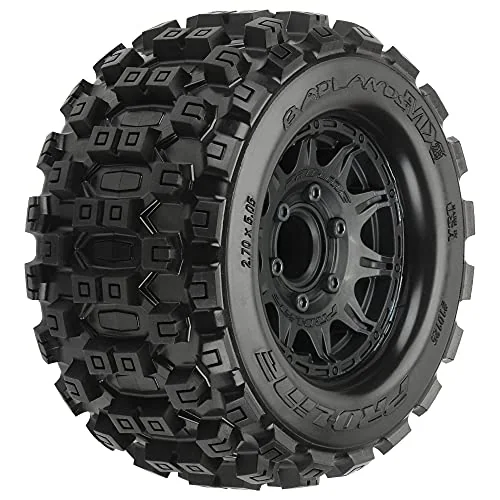
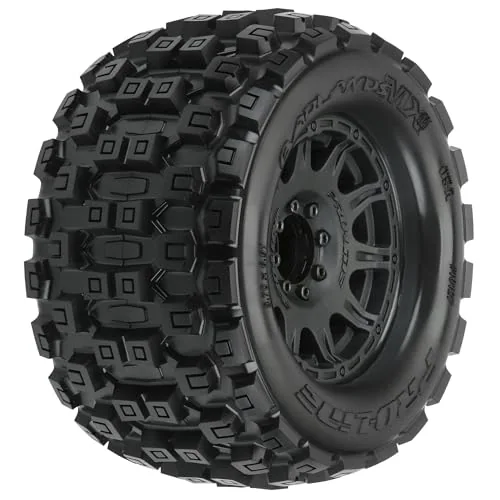
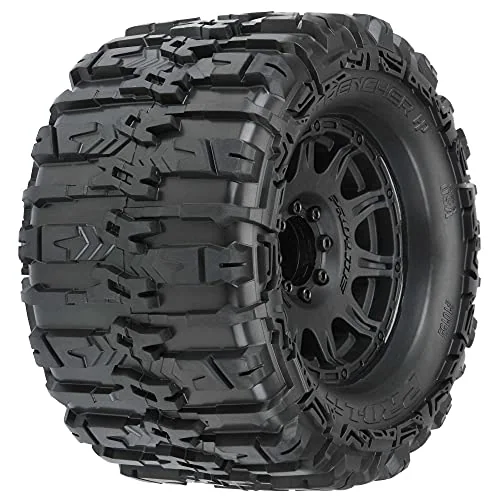
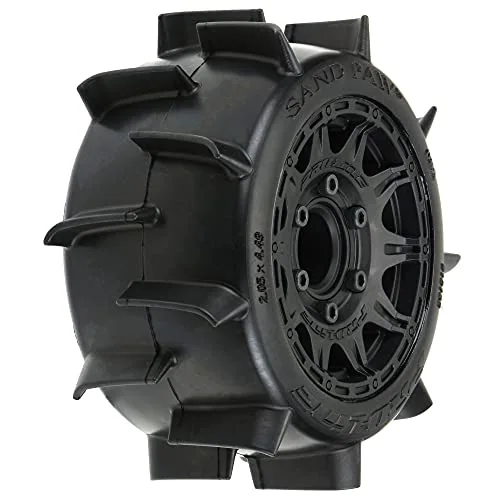
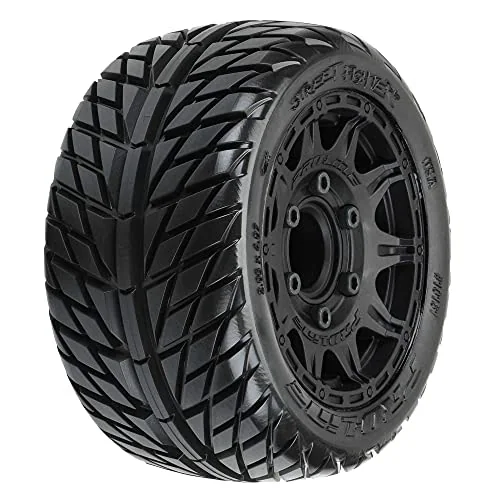
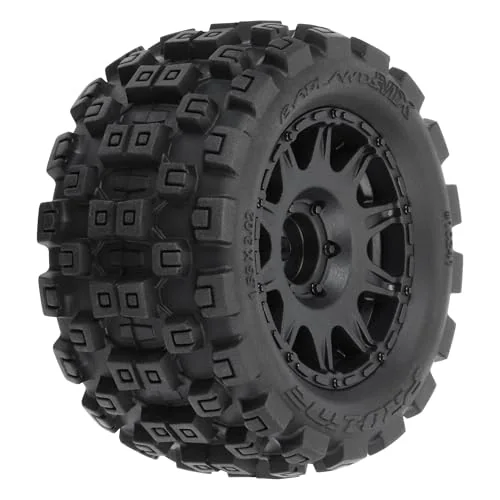
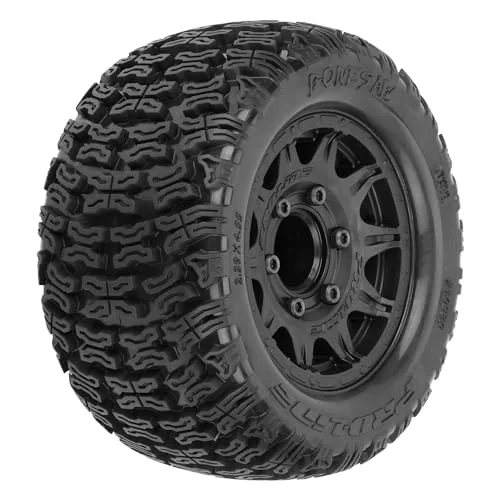
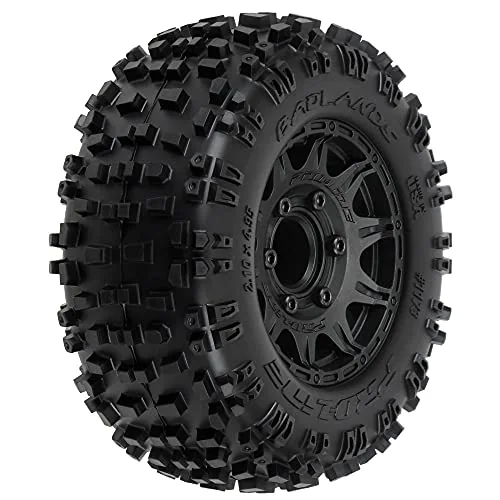
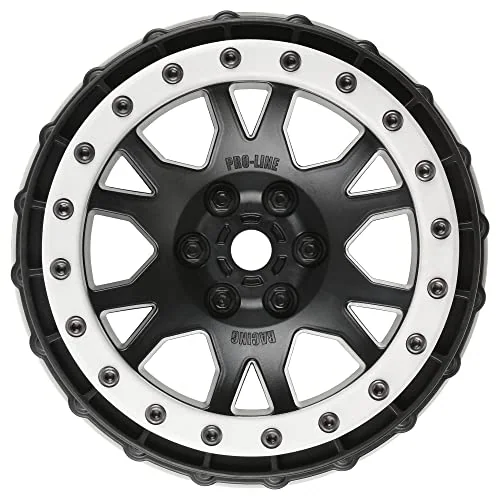
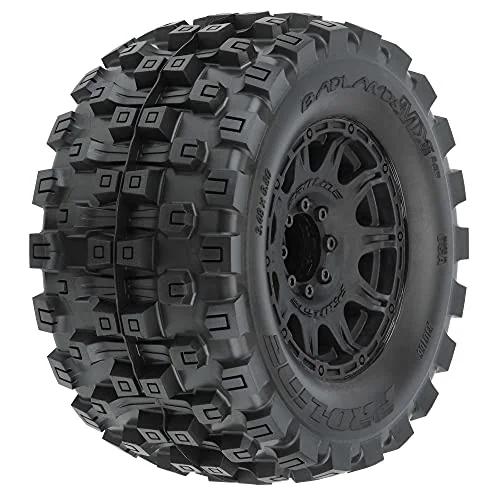
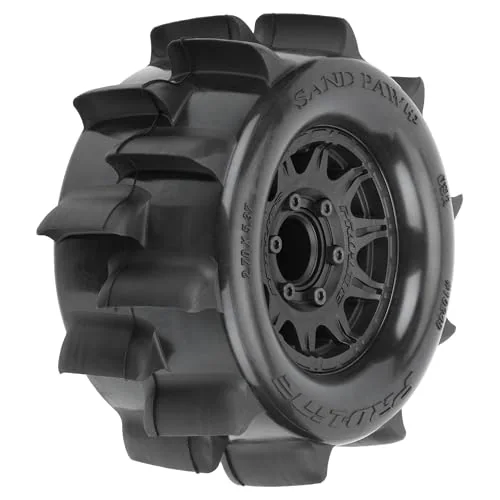
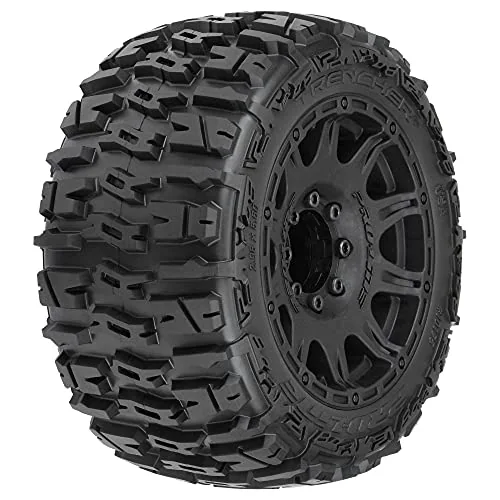
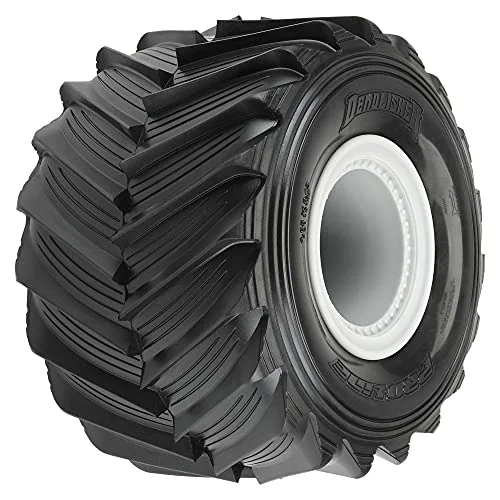
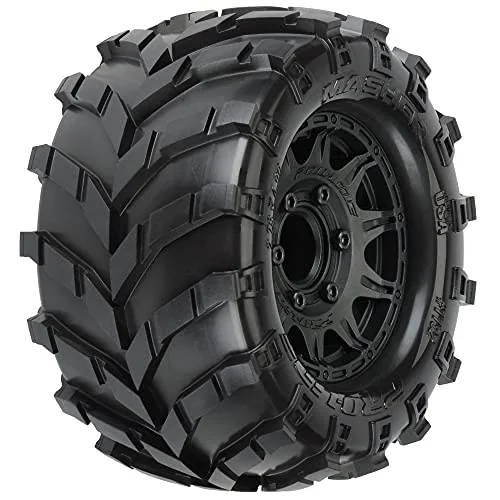
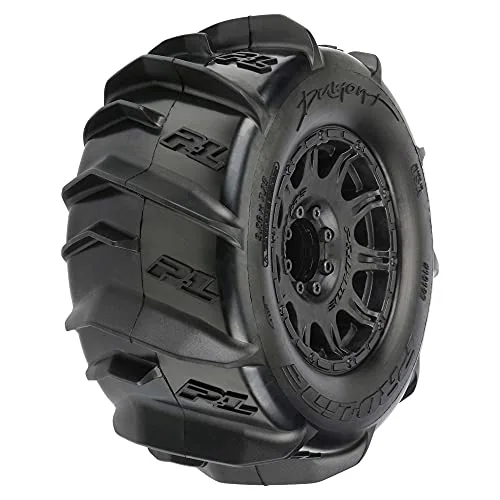
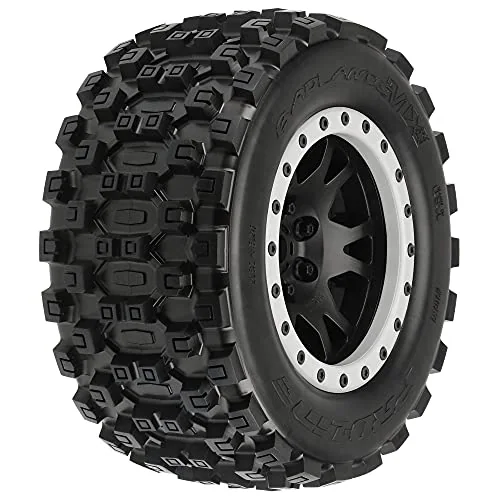
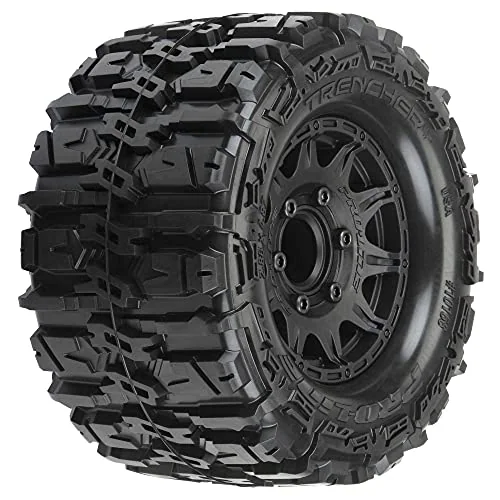
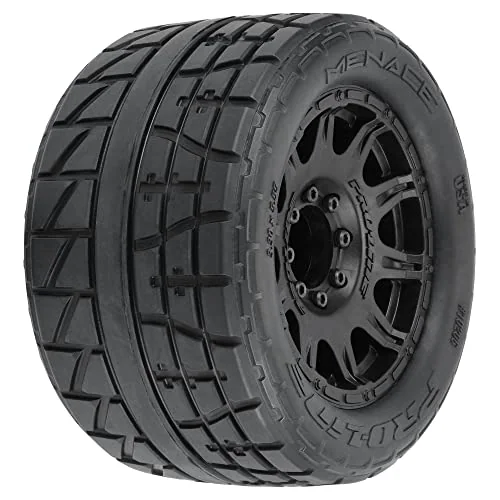
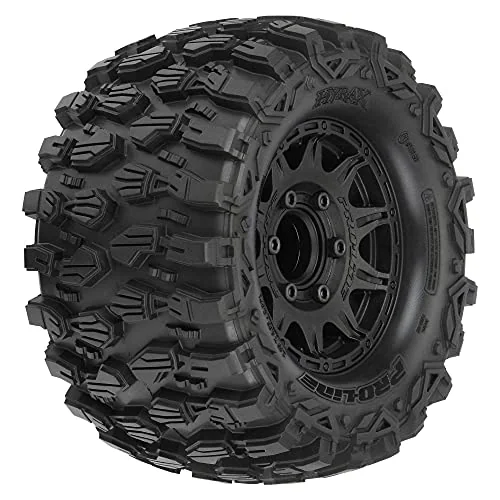
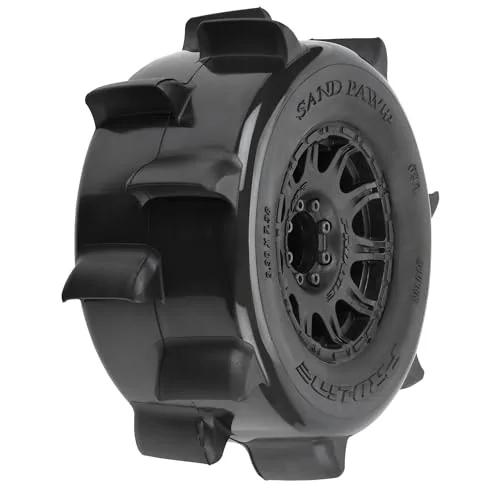
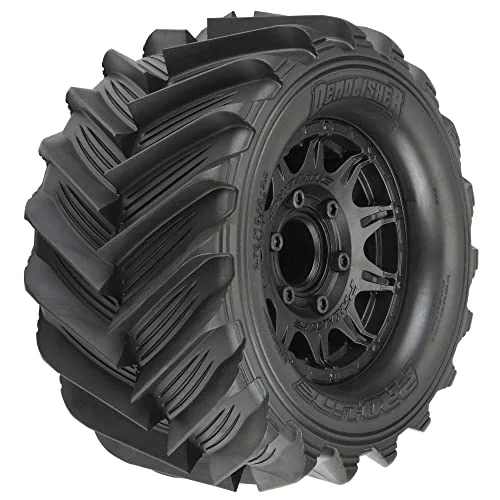
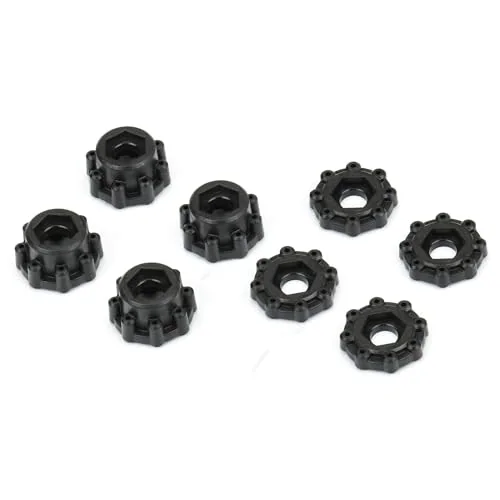
23 sets on this shelf
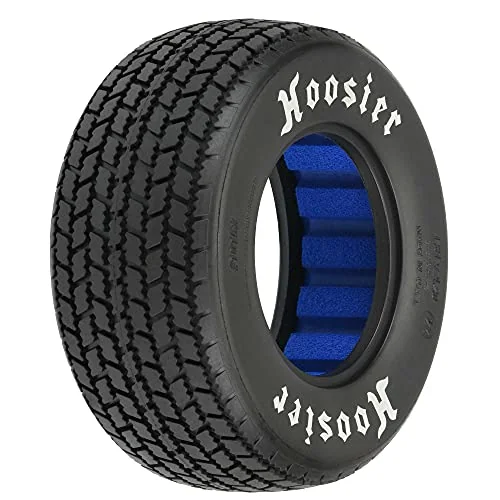
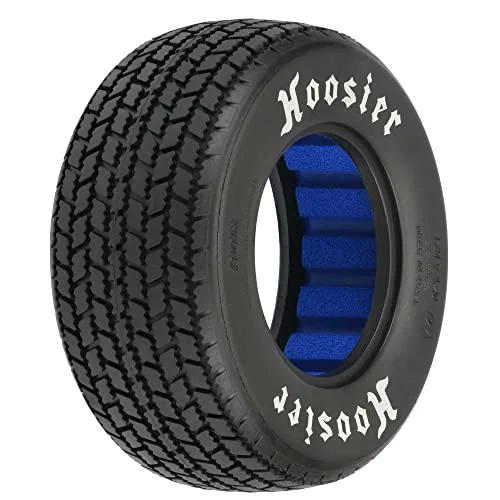
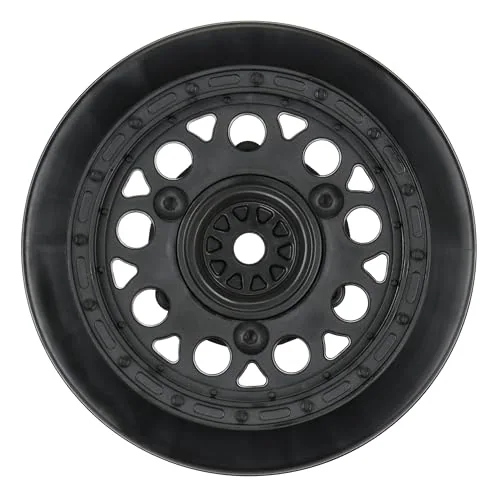
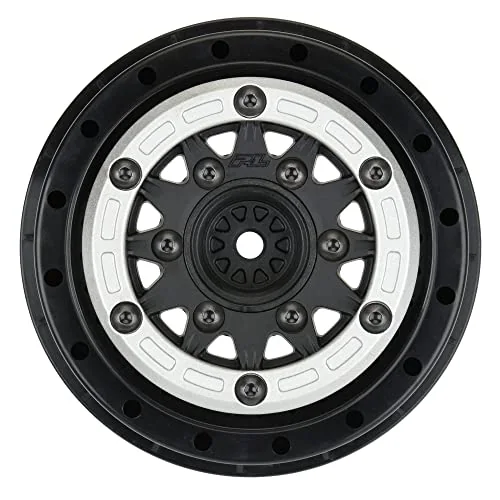
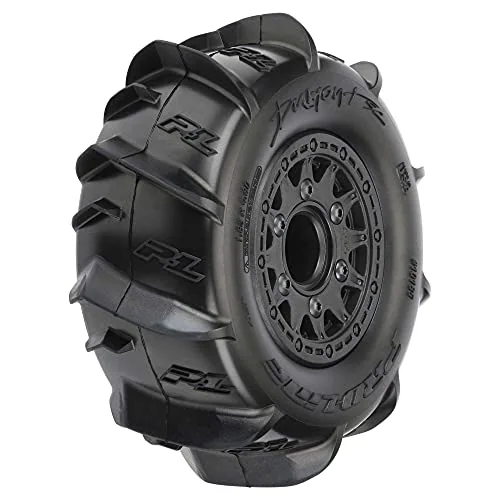
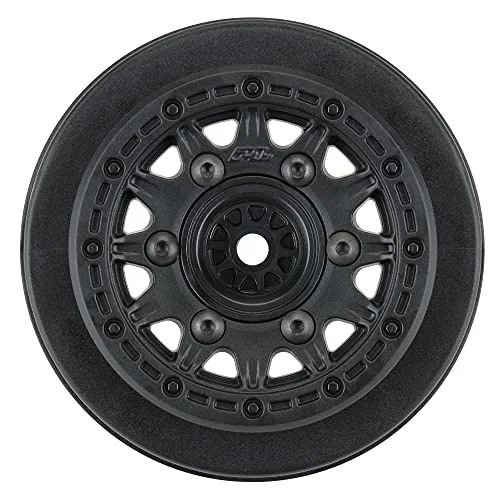
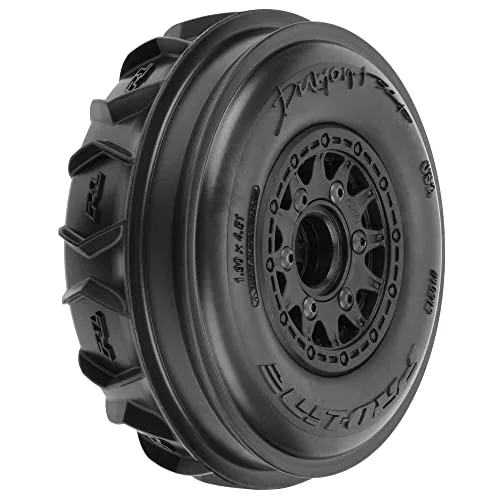
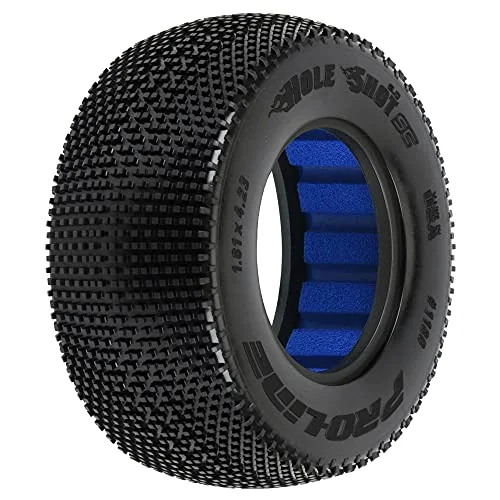
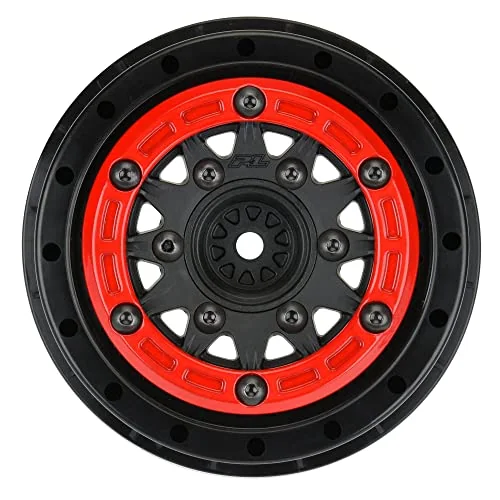
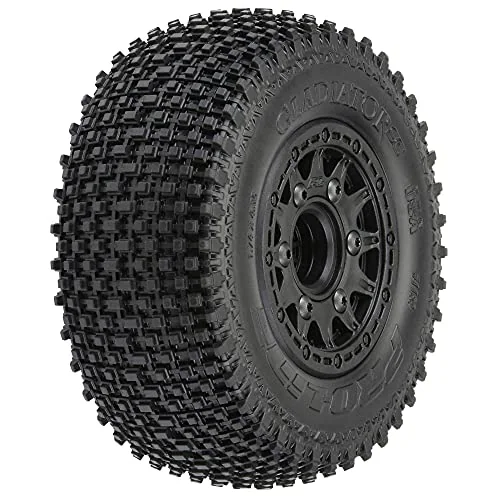
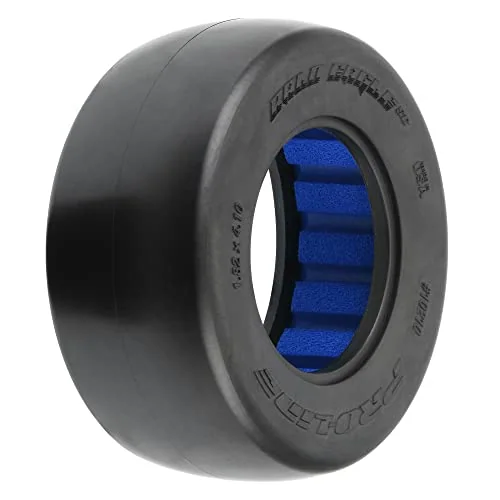
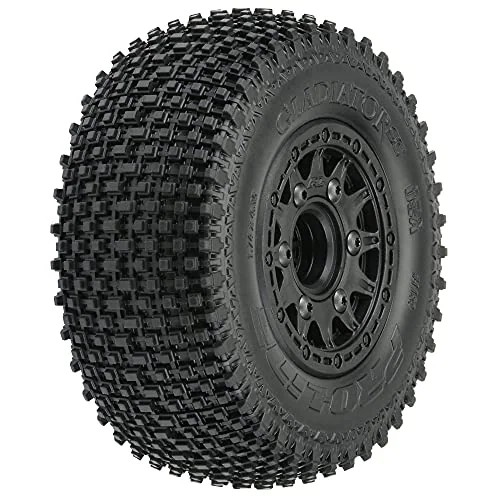
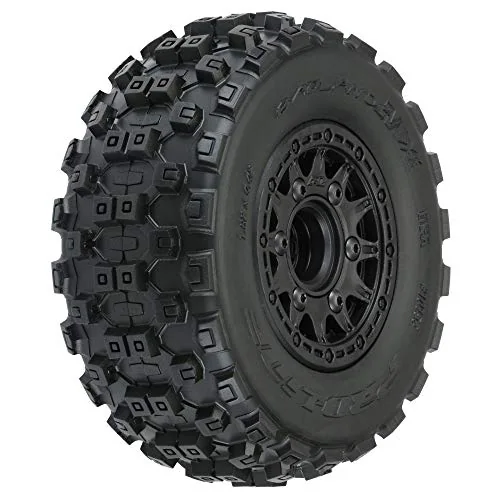
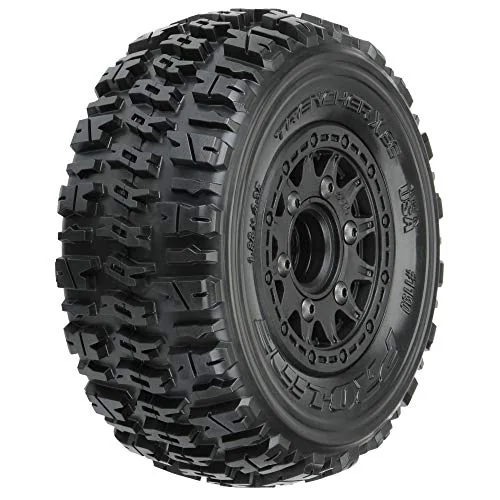
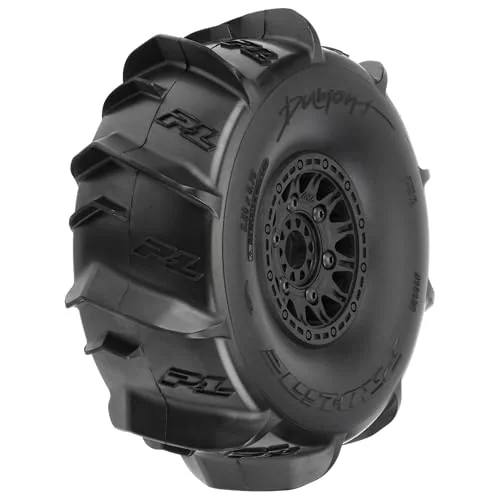
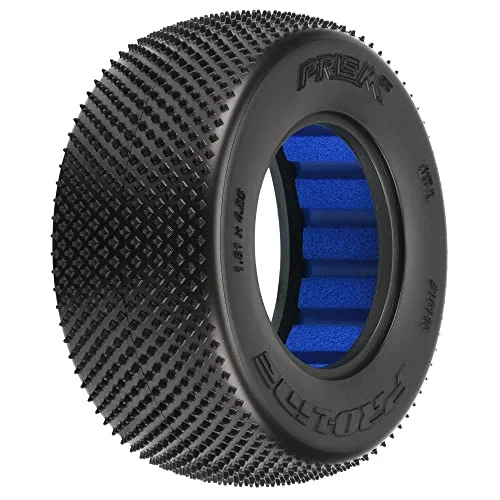
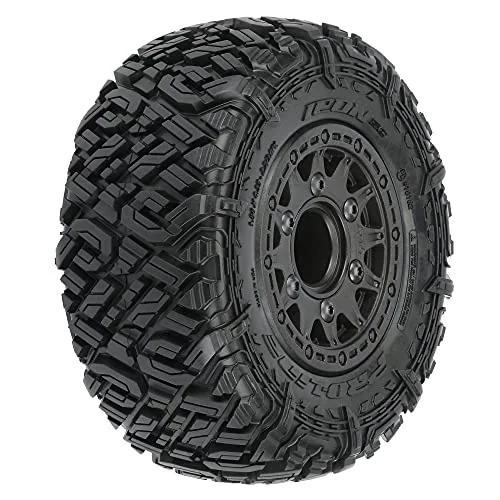
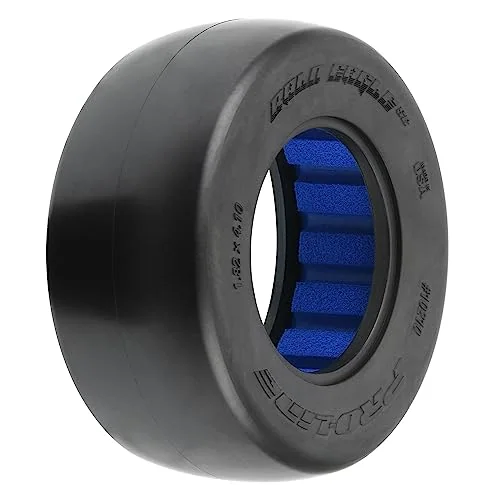
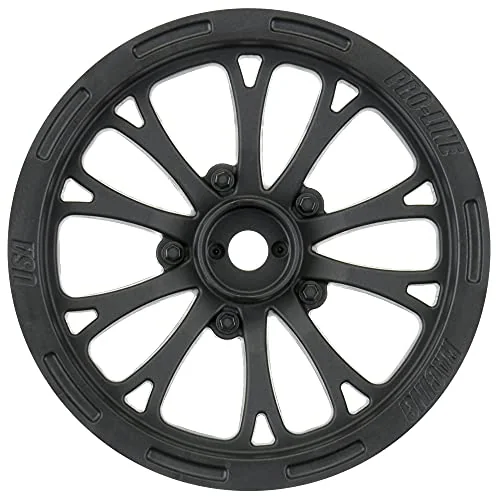
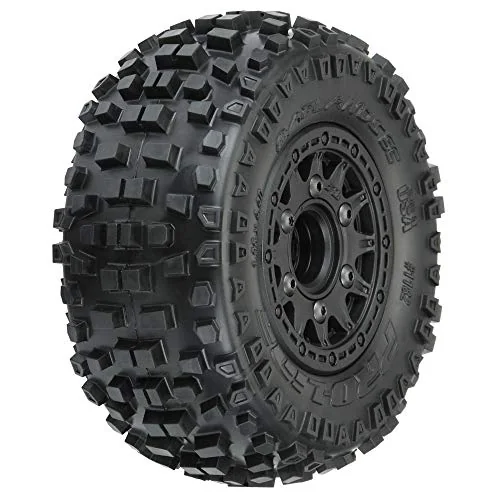
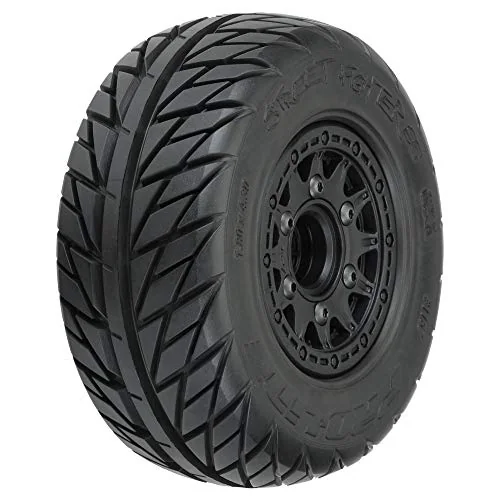
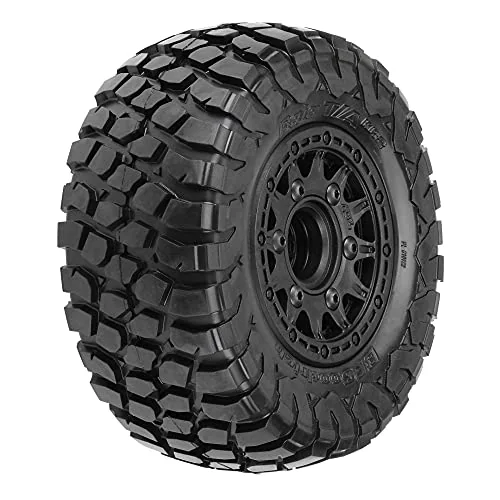
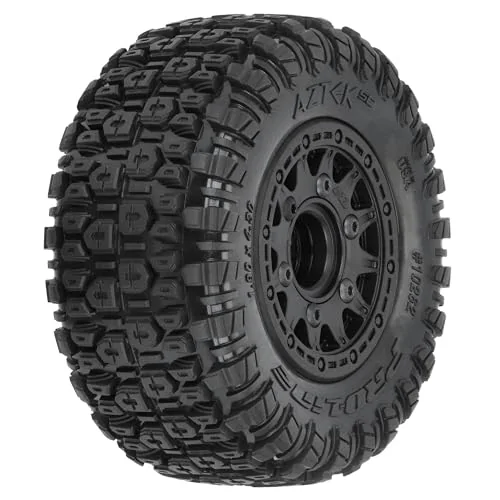
85 sets on this shelf
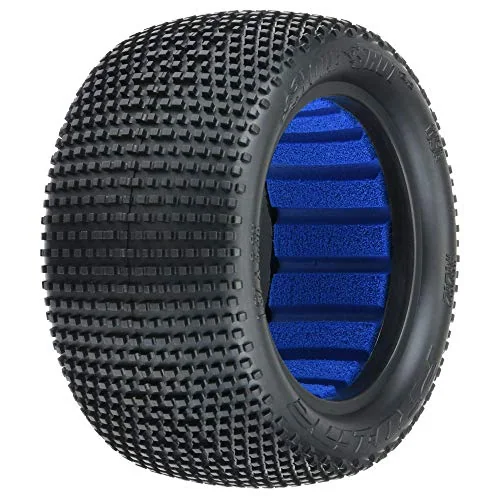
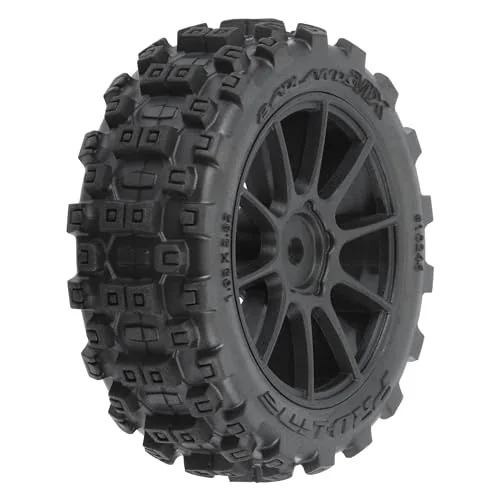
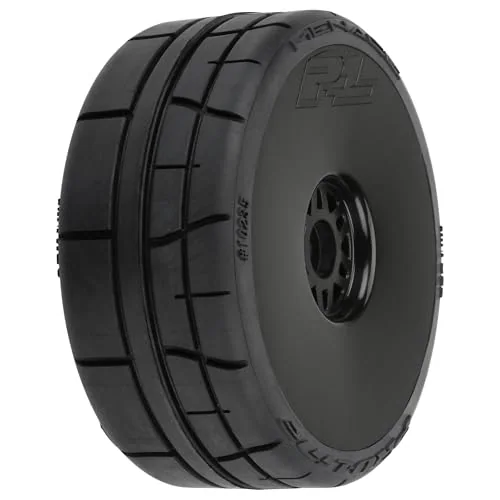
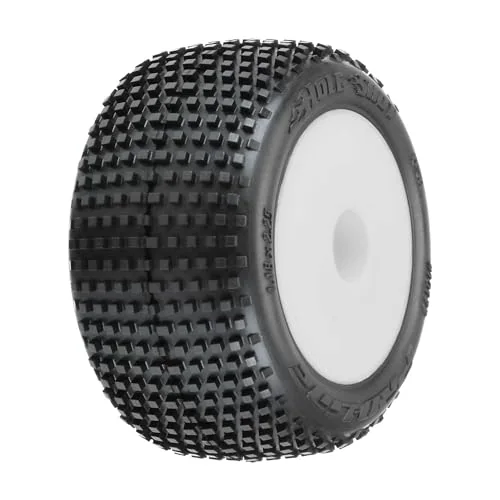
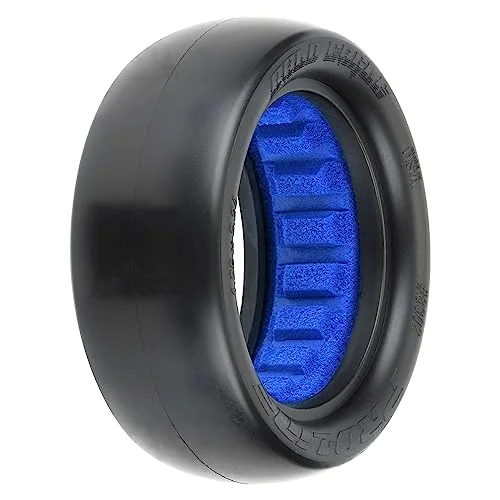
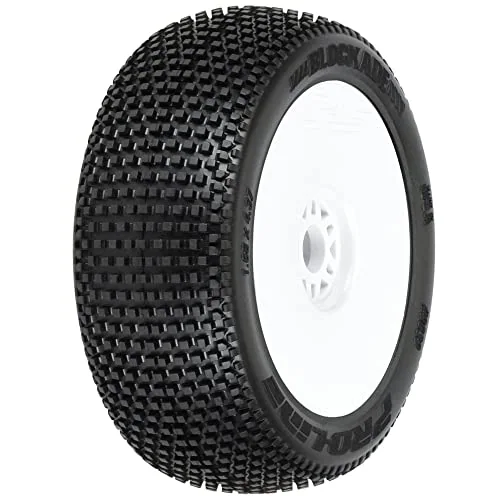
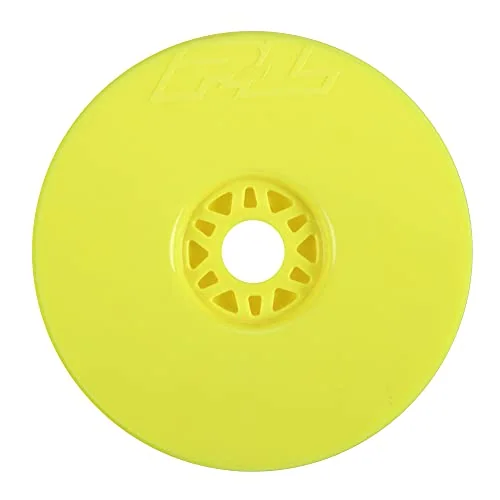
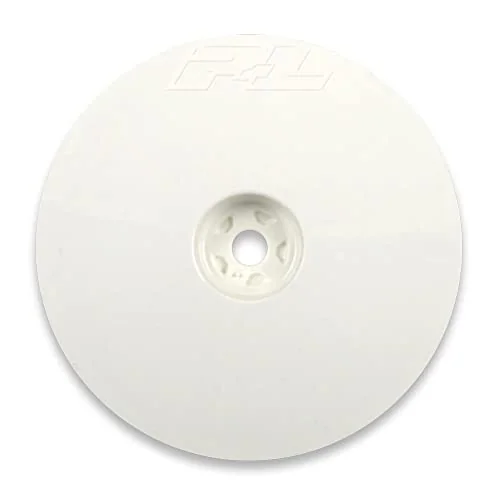
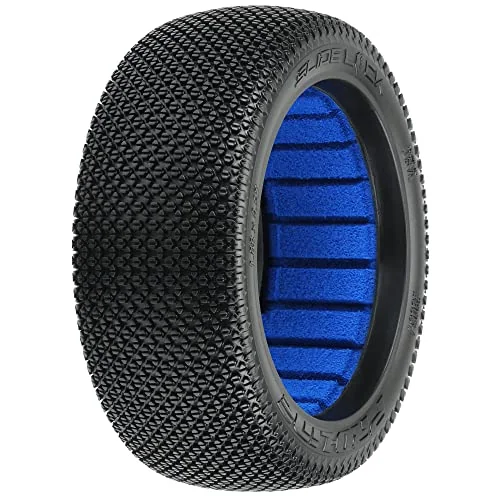
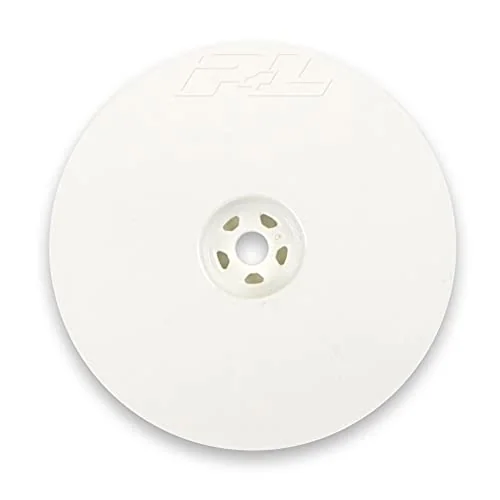
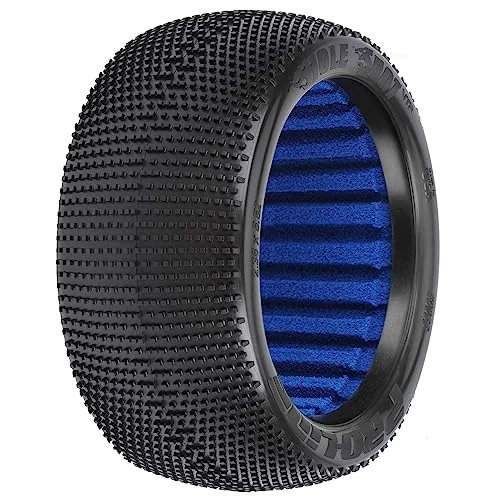
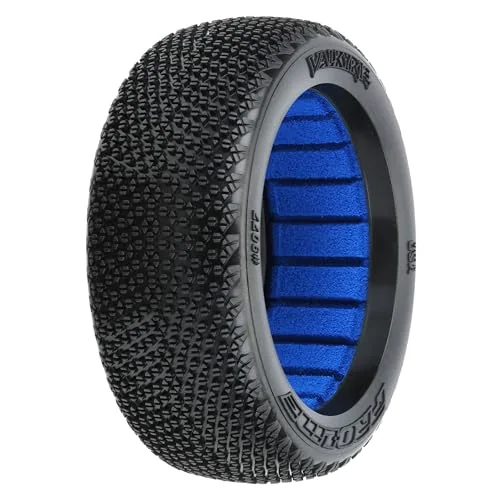
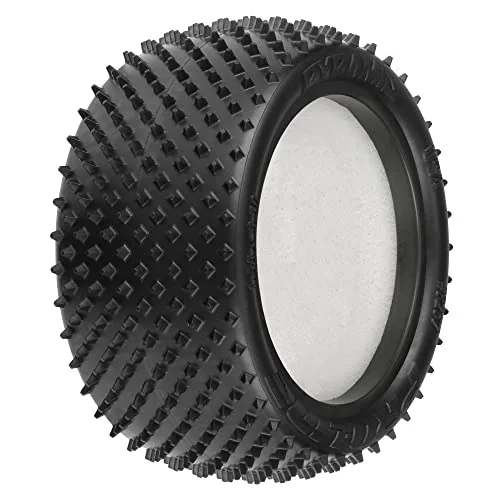
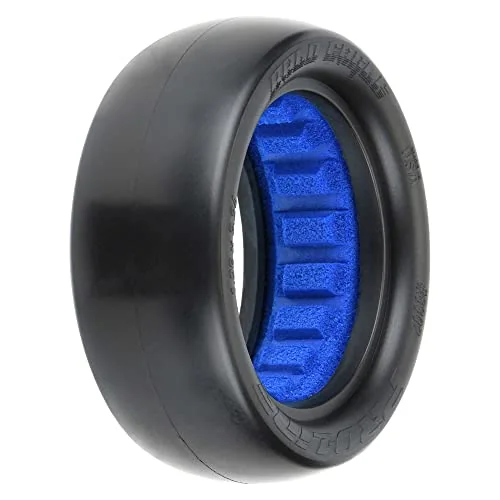
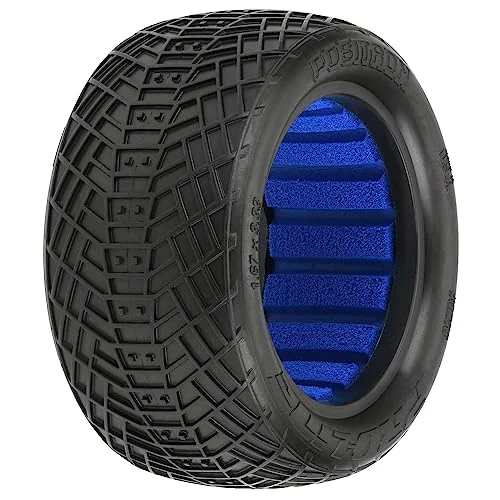
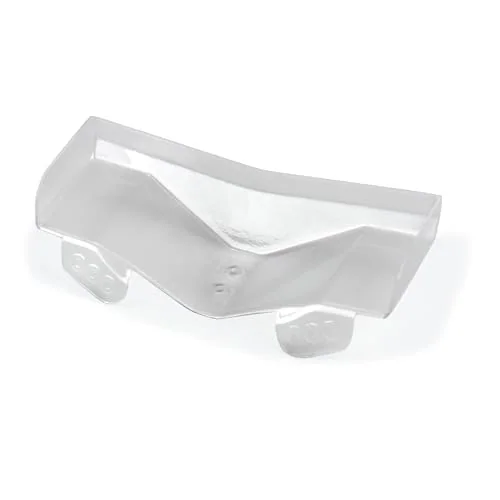
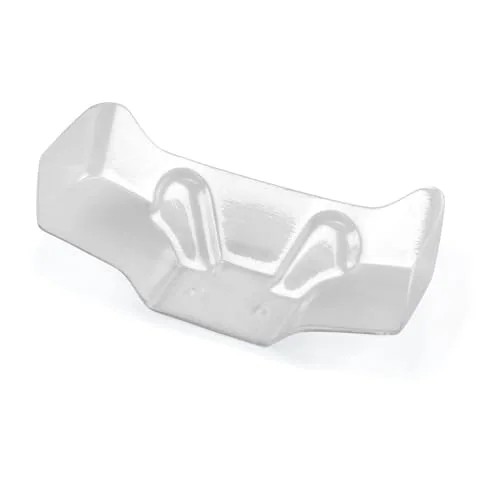
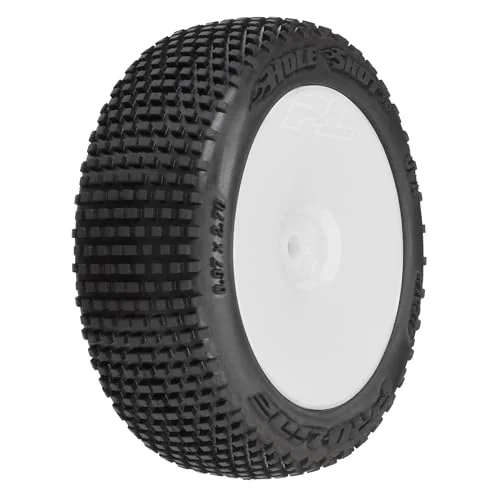
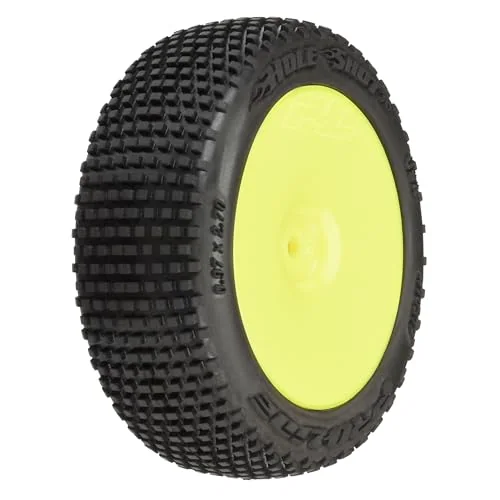
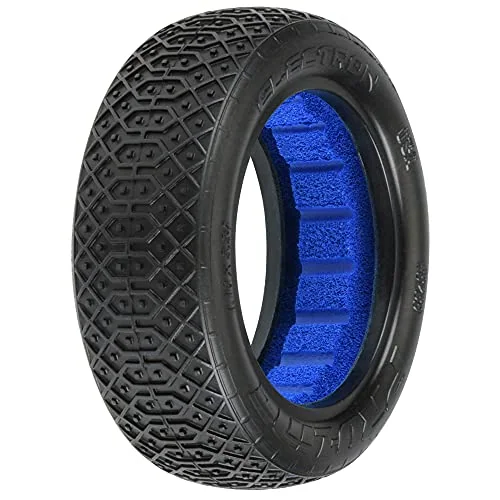
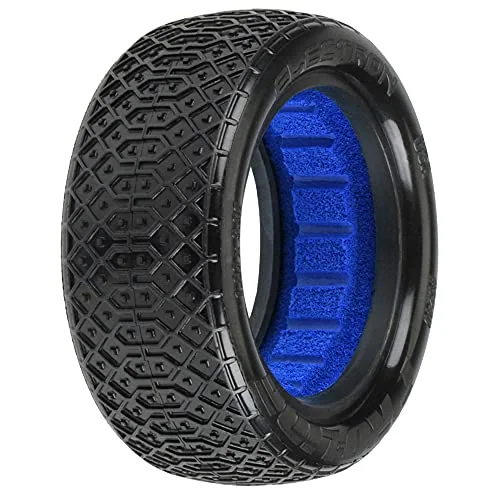
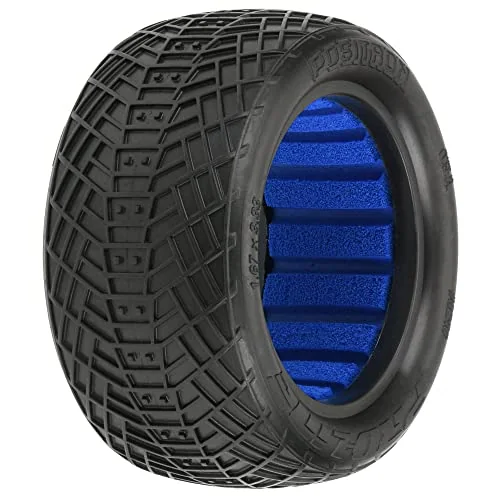
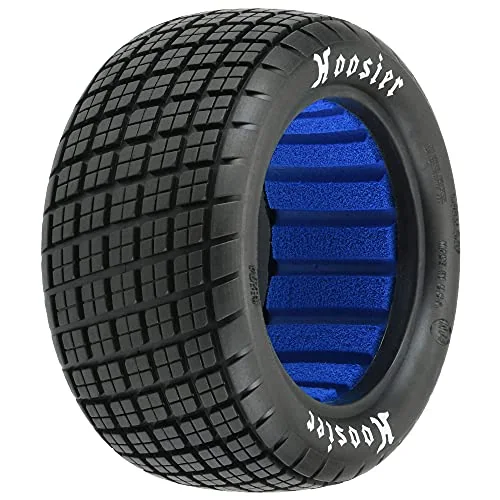
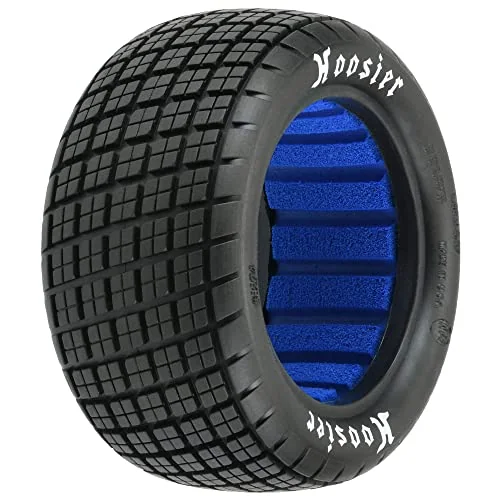
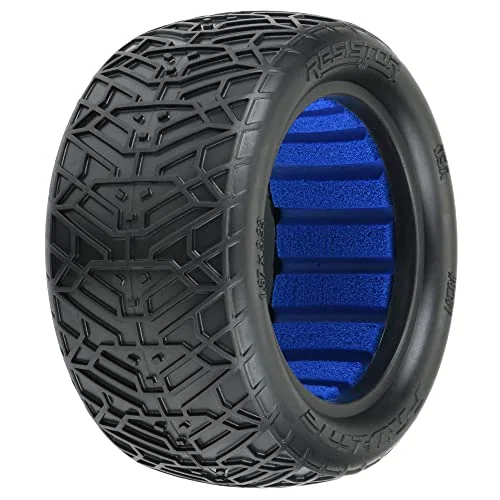
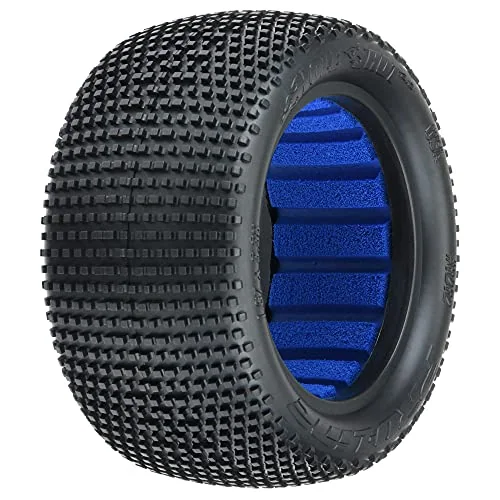
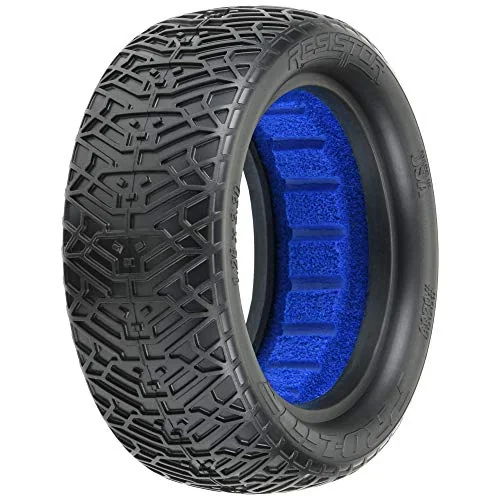
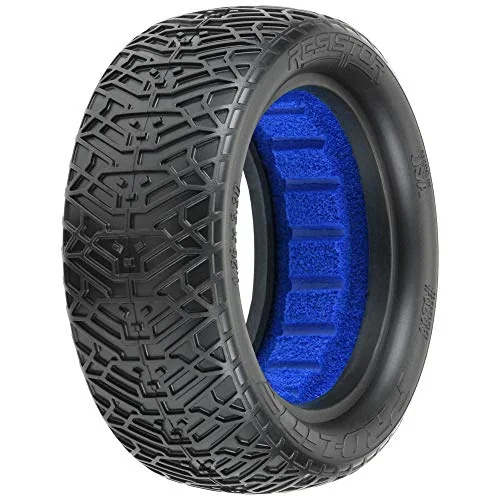
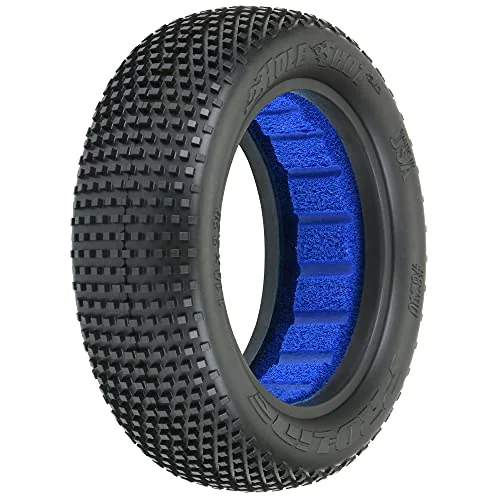
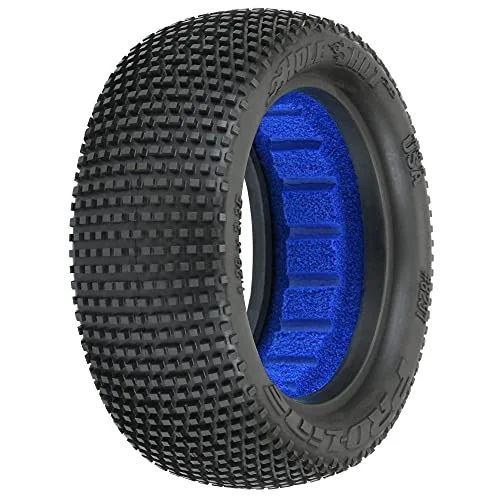
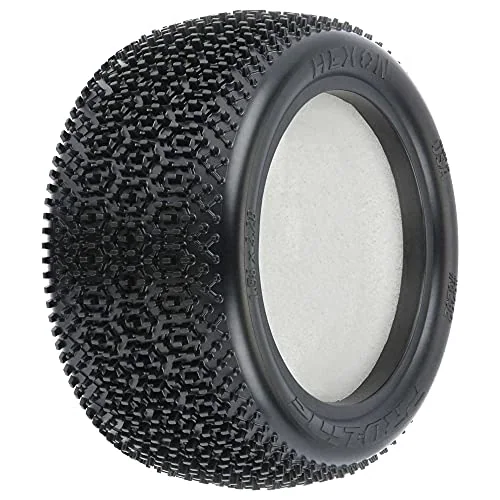
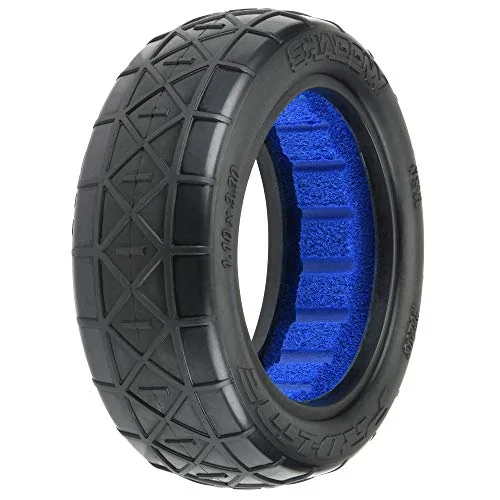
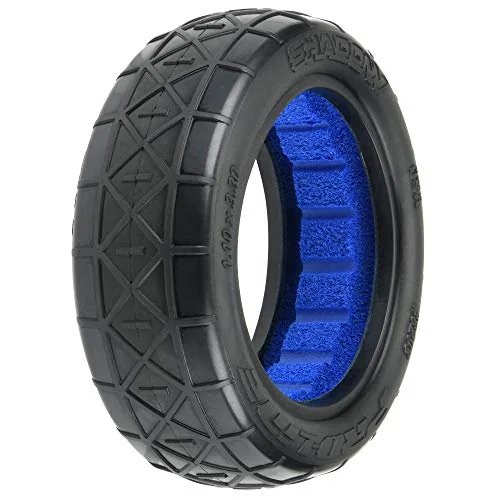
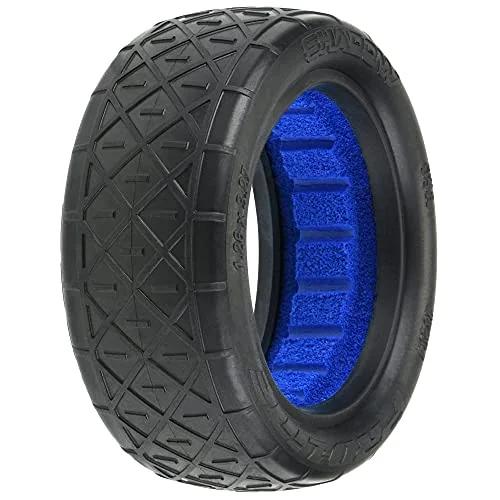
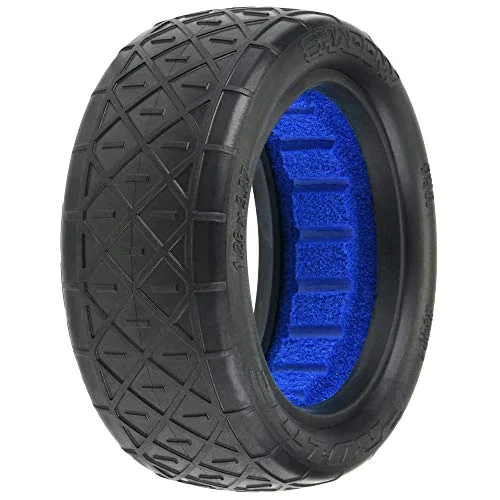
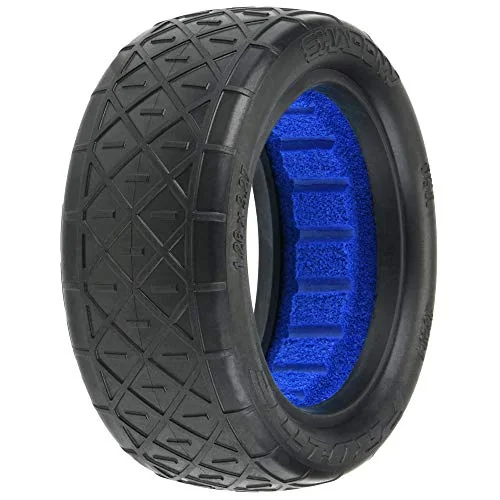
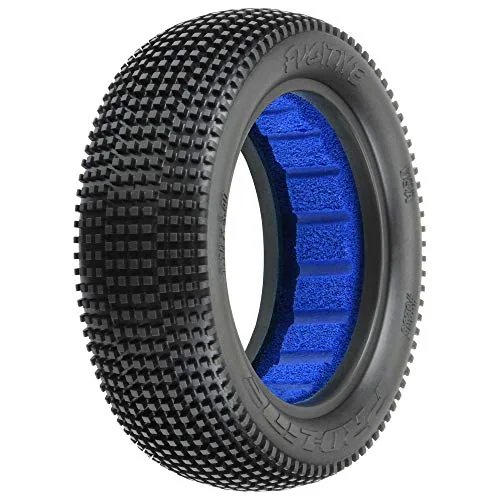
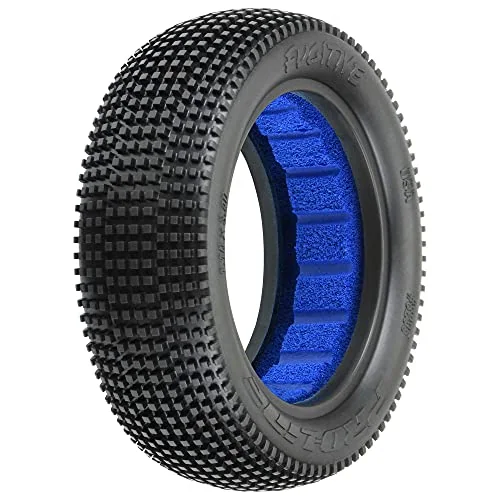
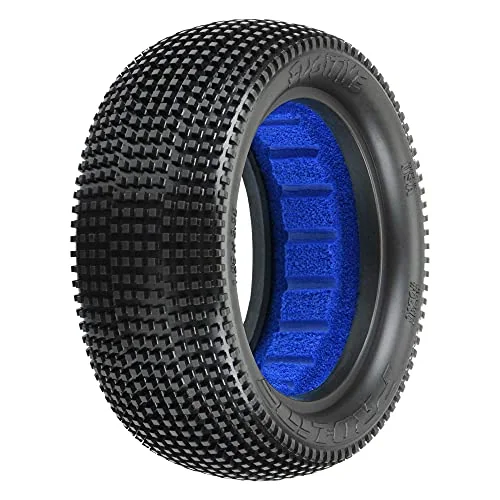
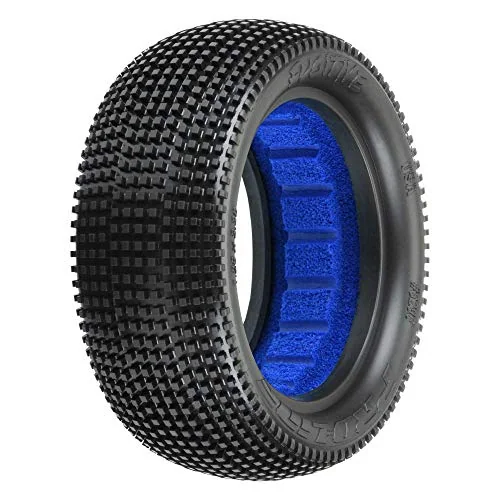
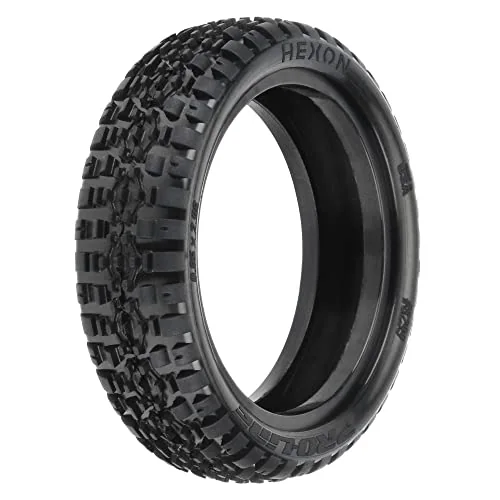
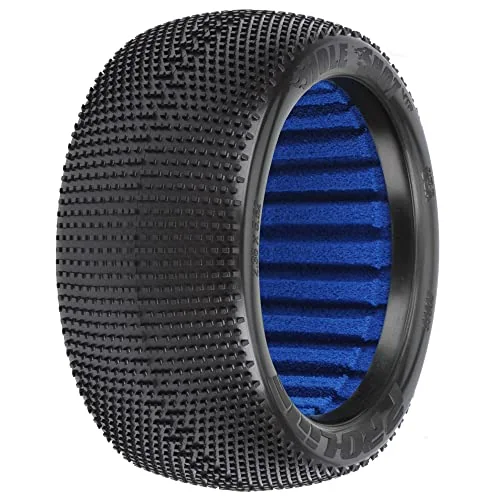
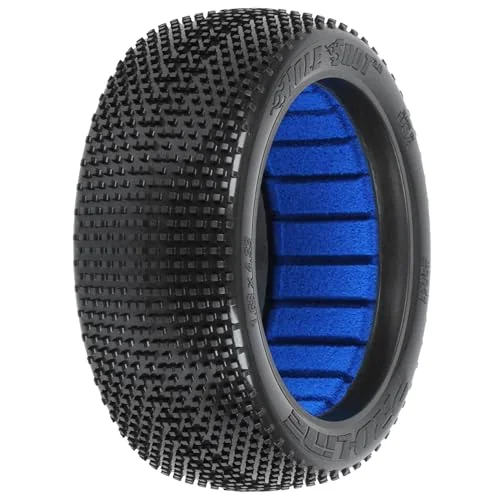
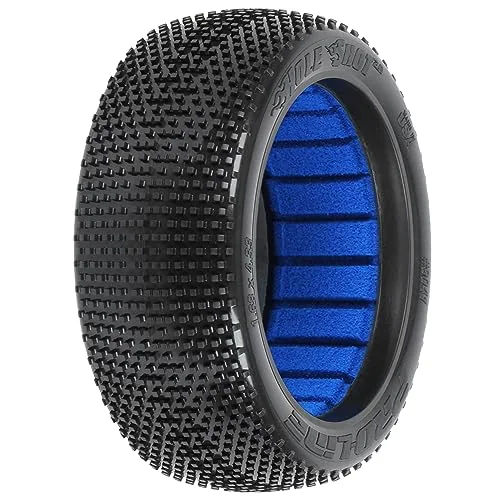
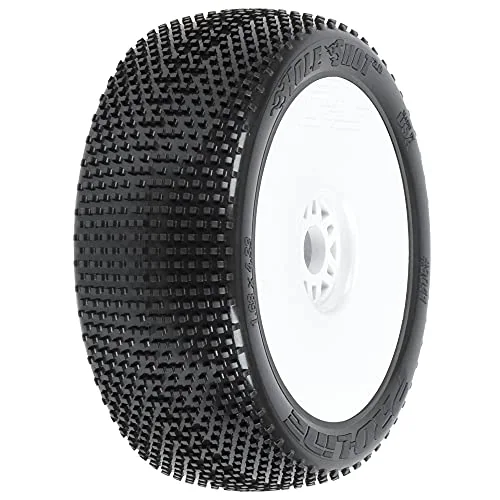
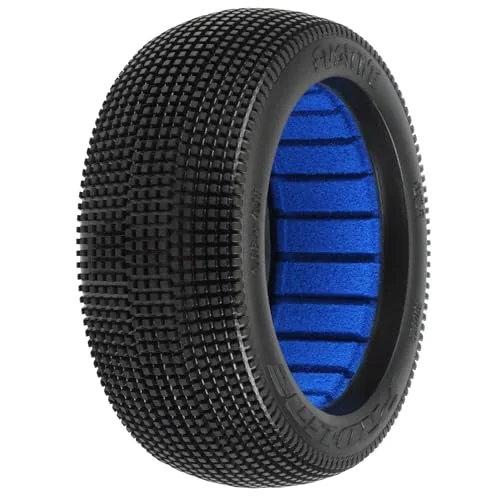
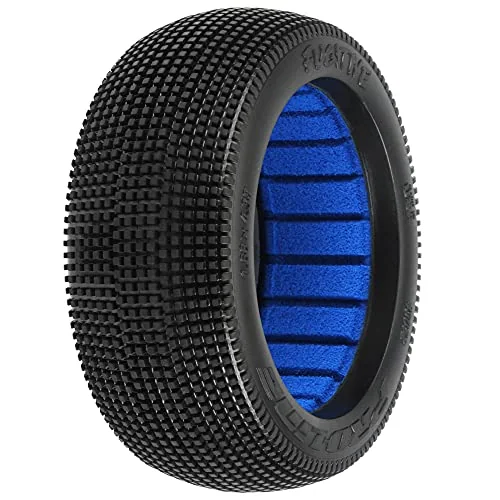
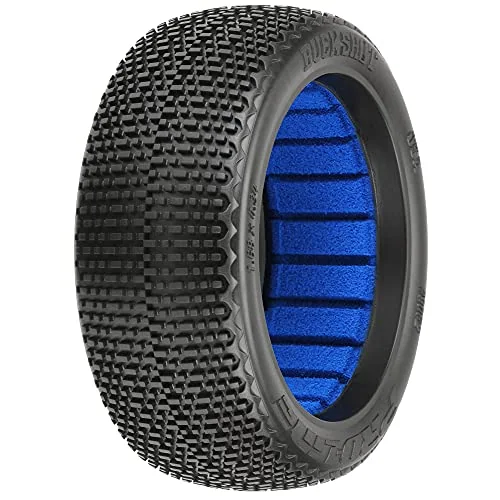
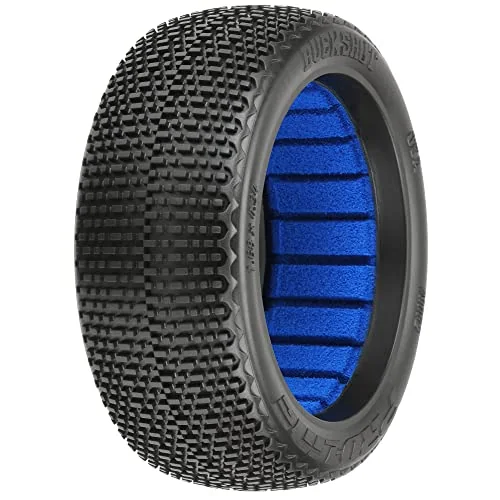
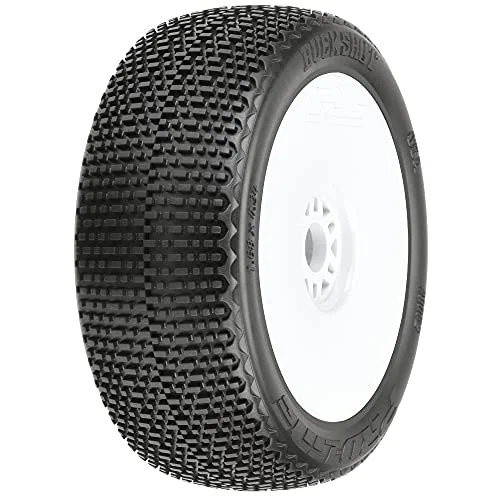
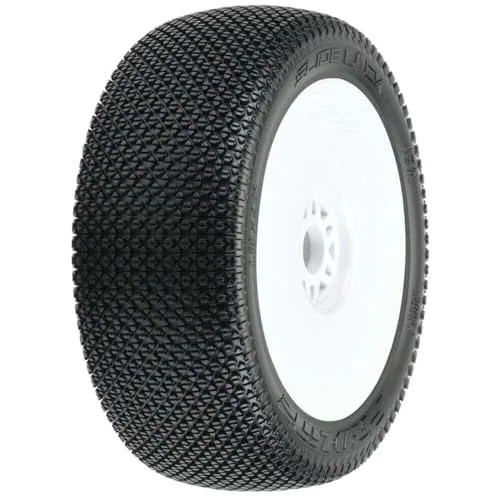
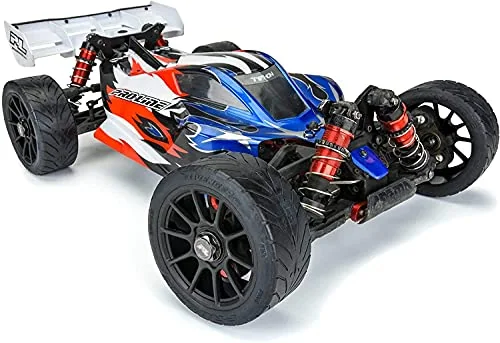
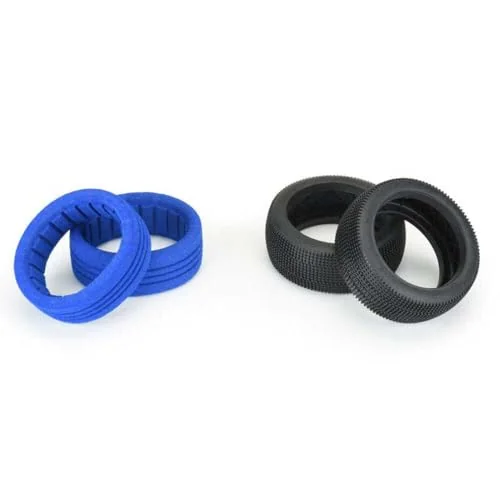
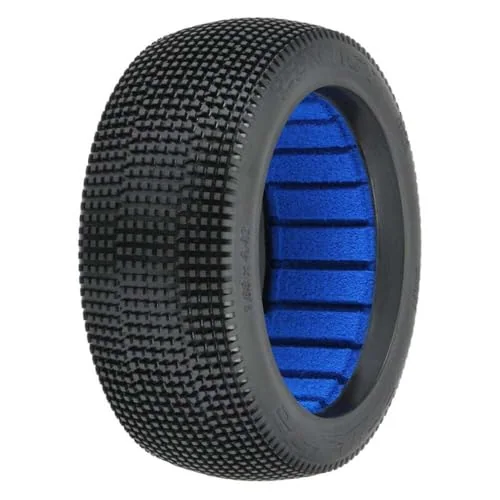
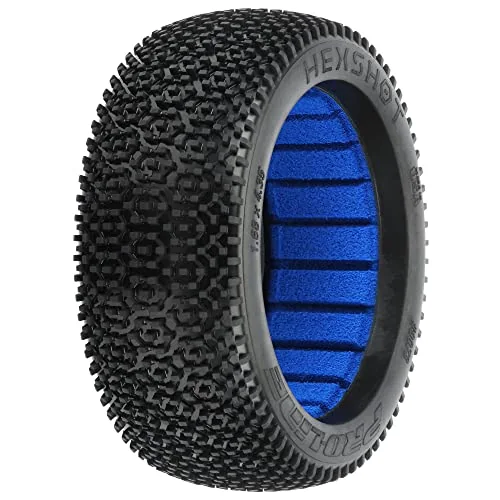
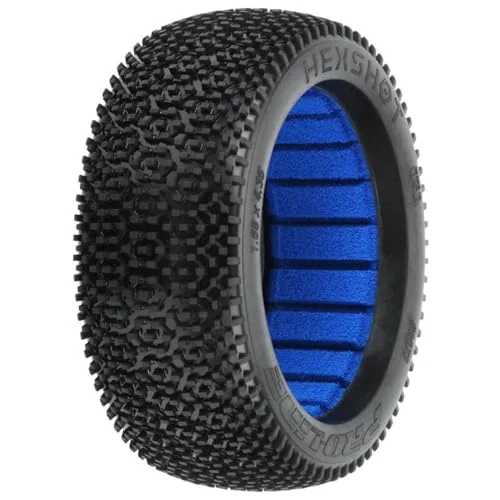
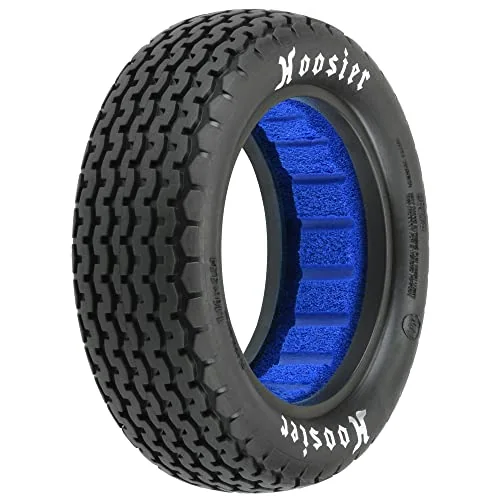
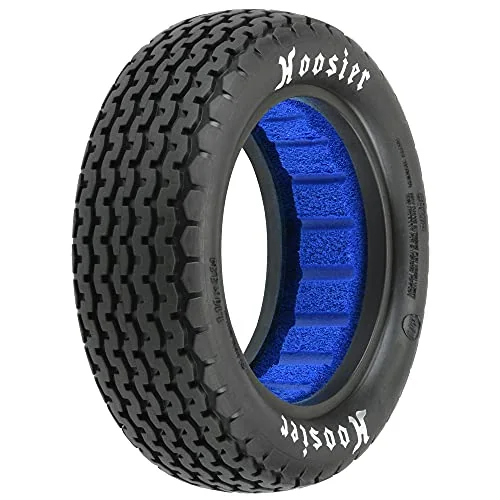
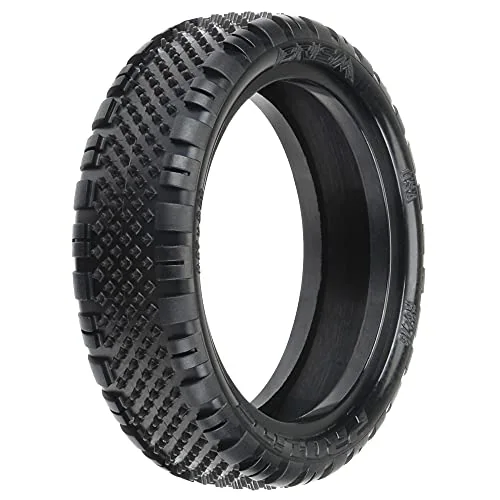
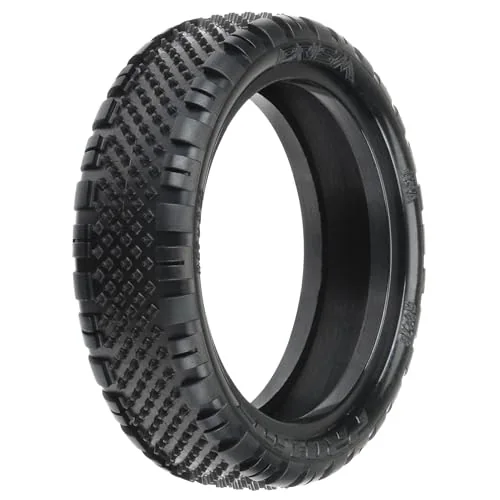
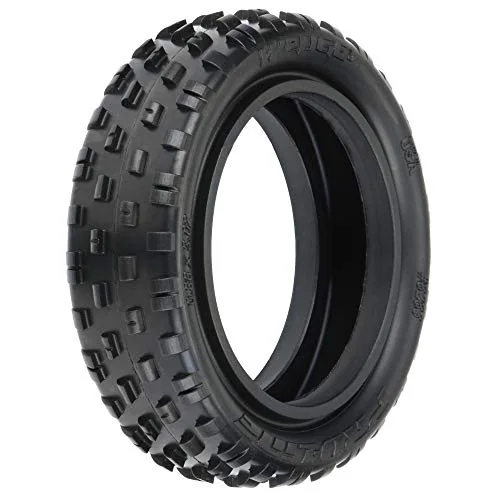
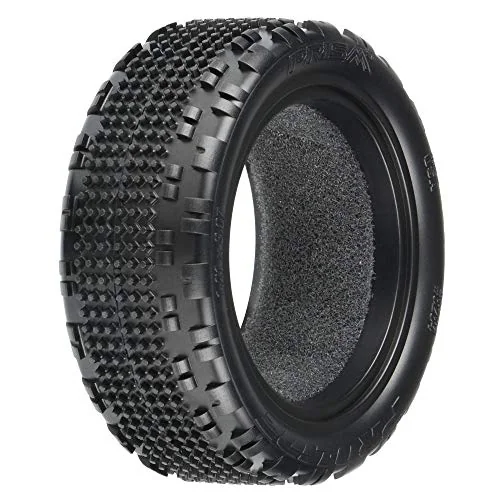
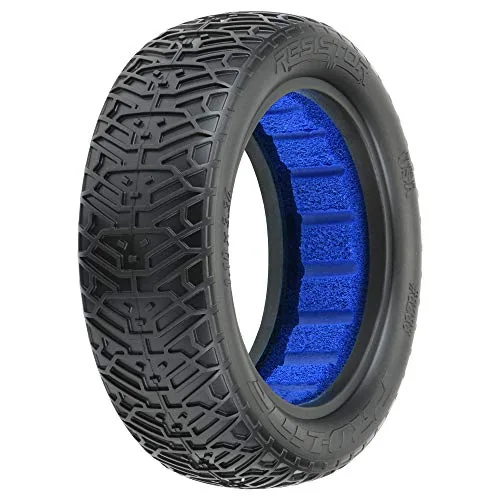
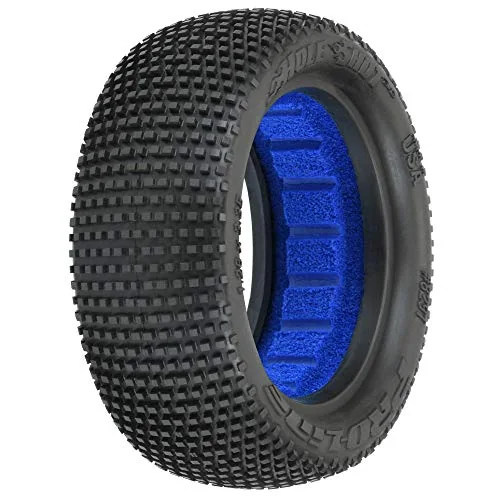
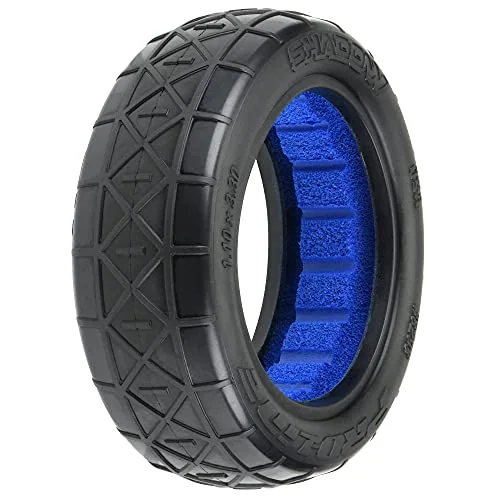
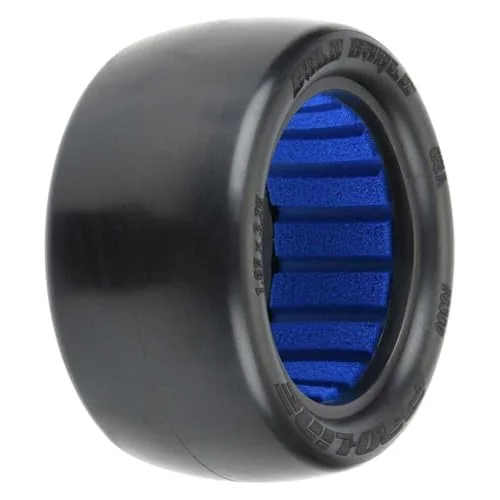
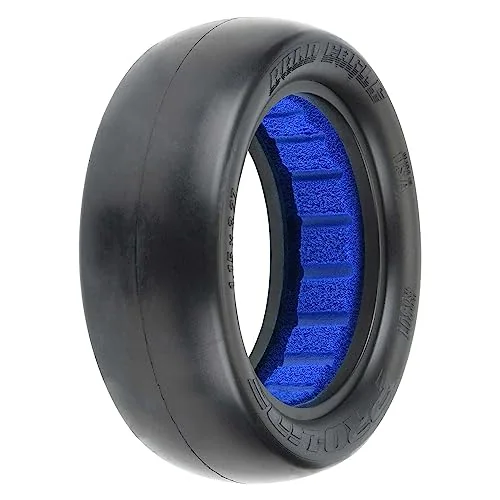
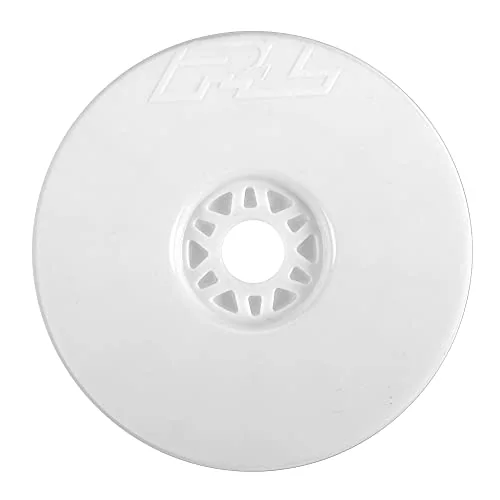
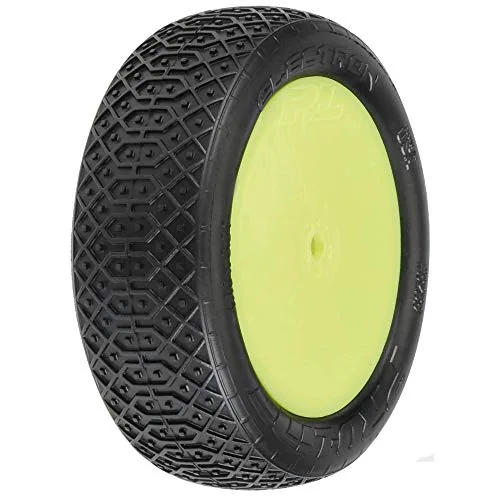
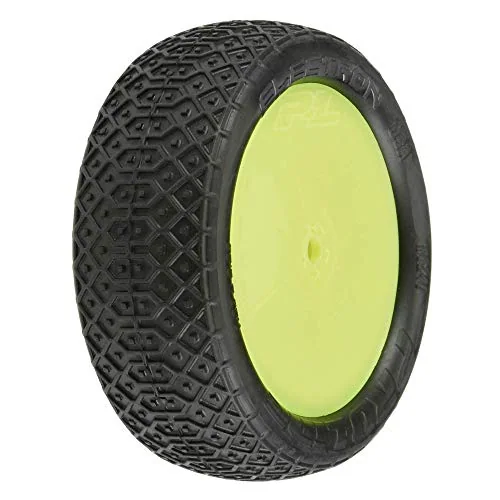
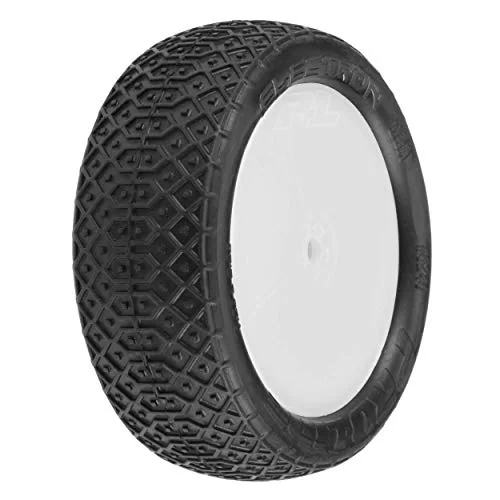
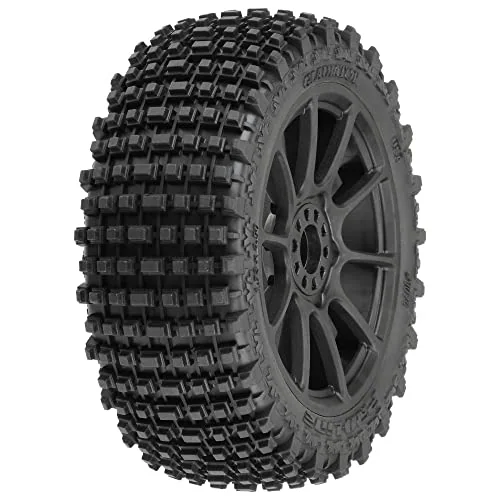
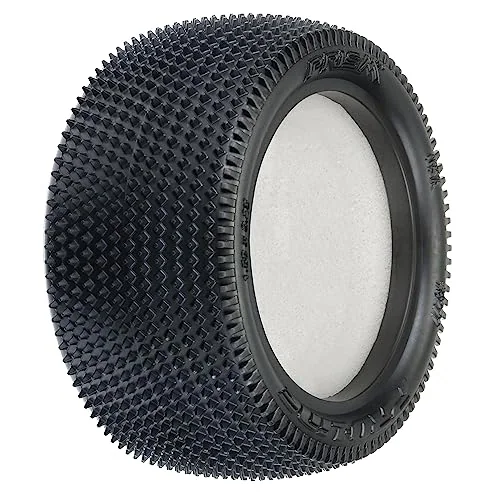
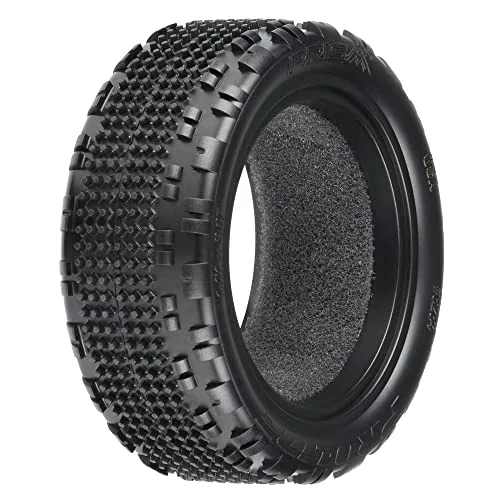
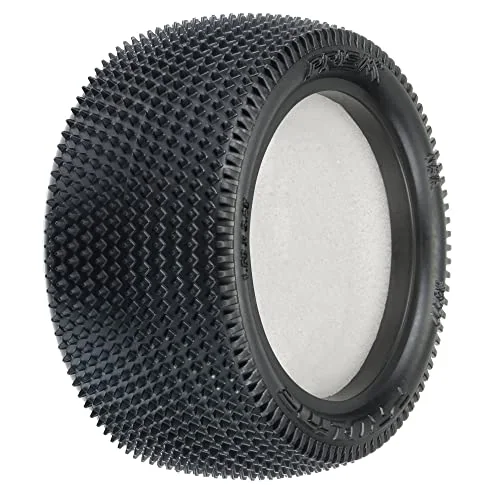
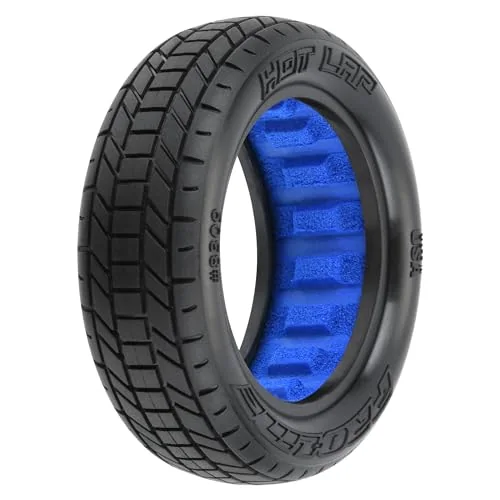
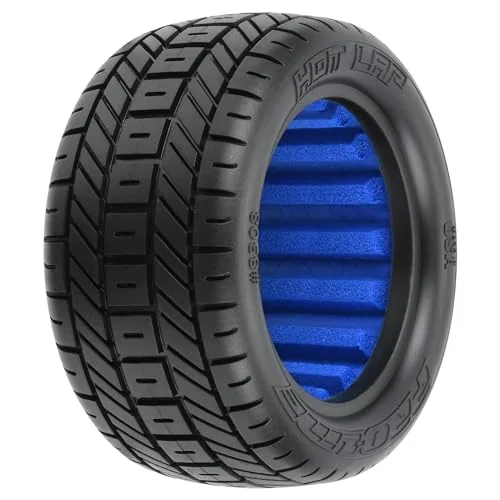
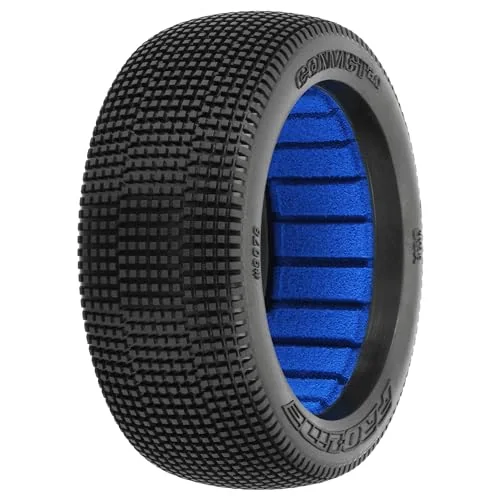
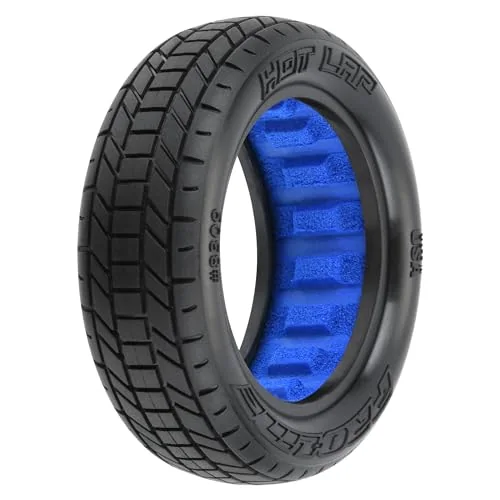
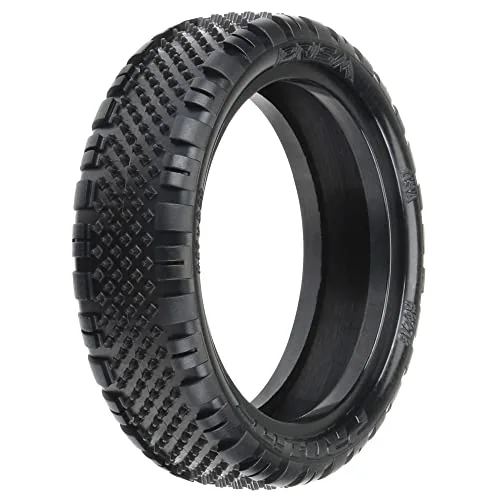
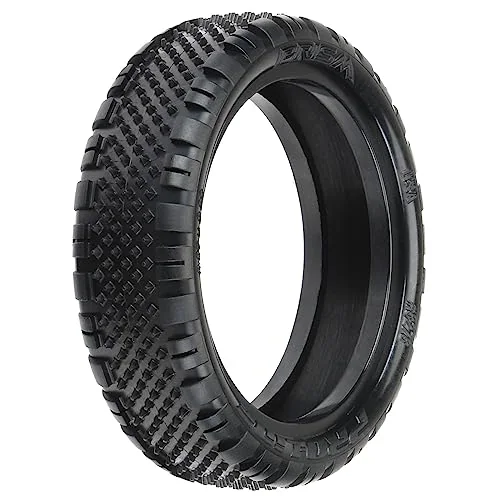
10 sets on this shelf
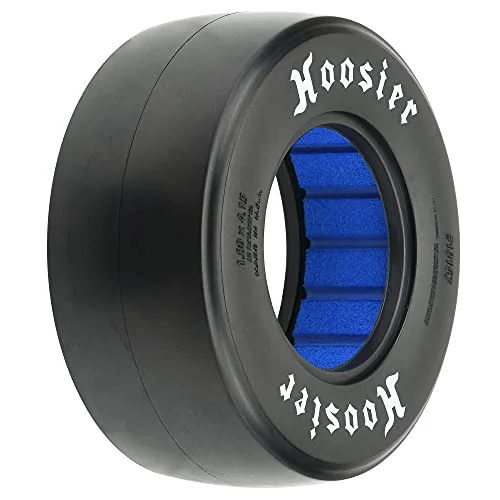
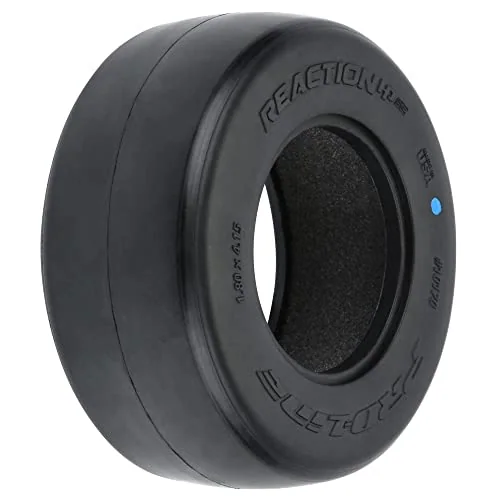
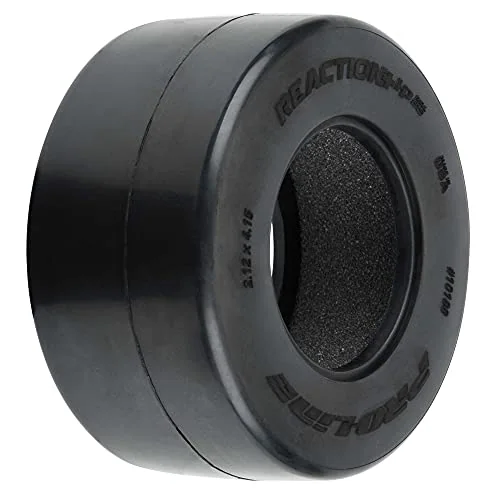
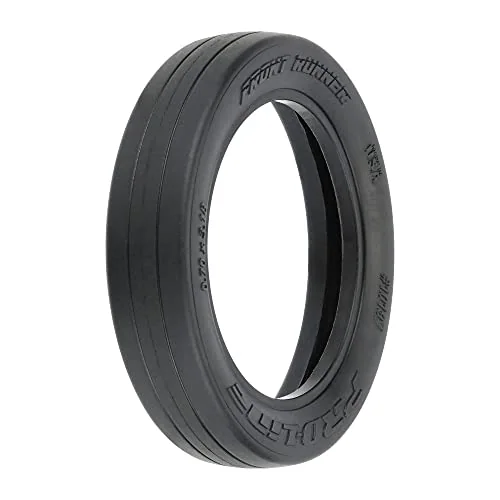
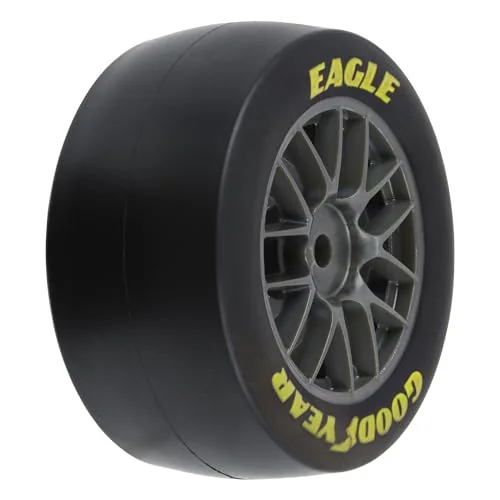
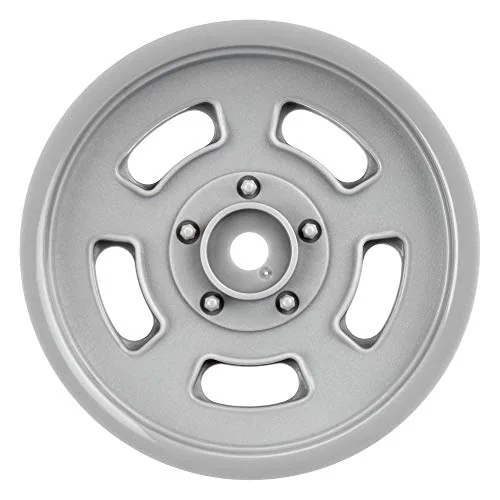
19 sets on this shelf
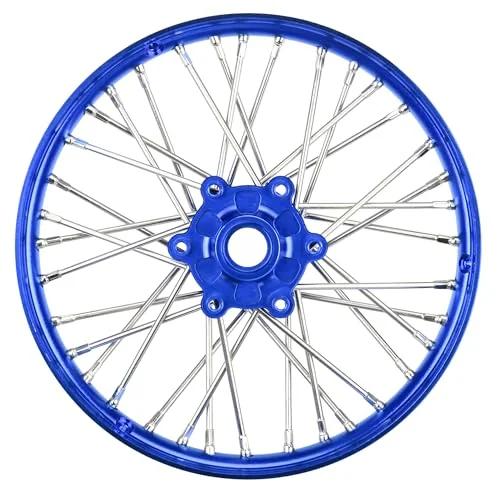
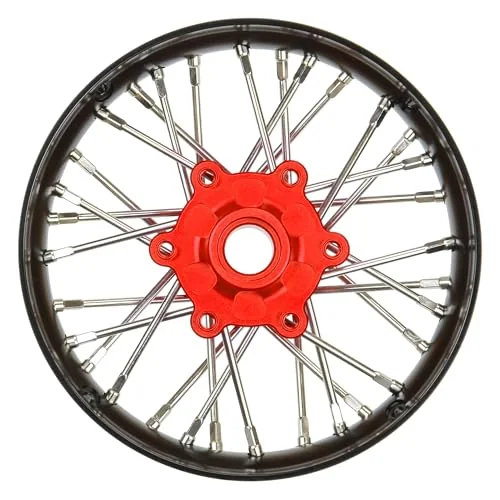
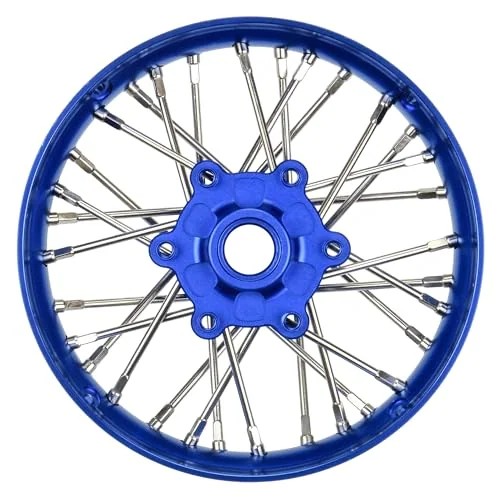
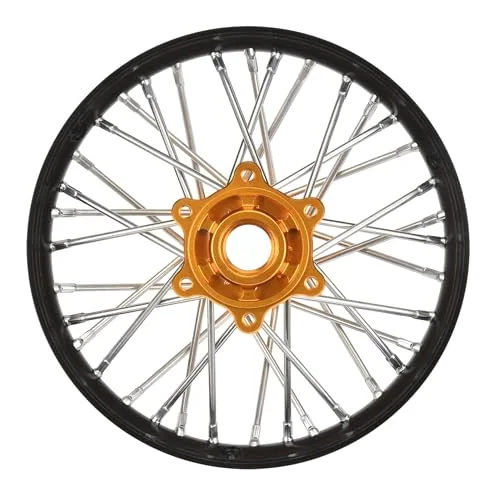
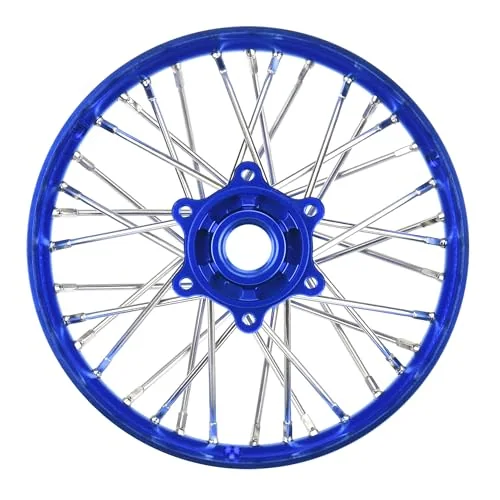
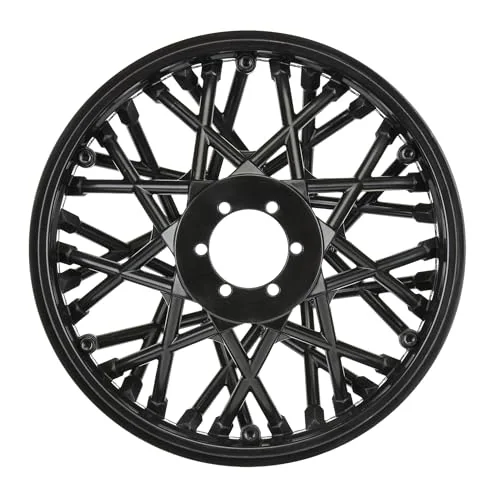
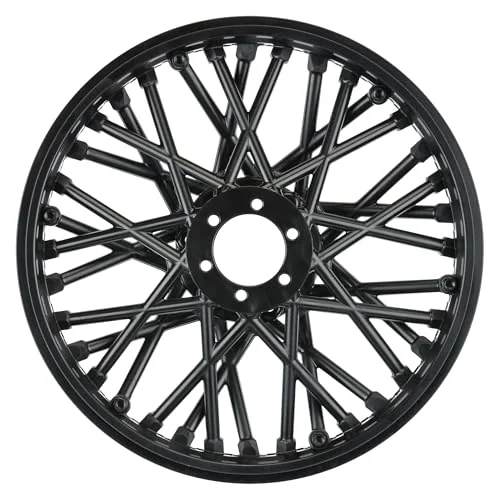
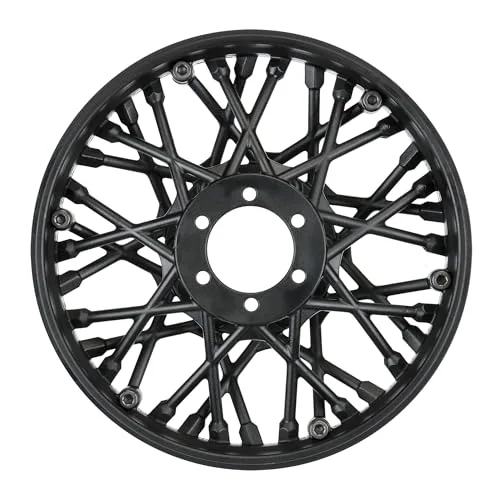
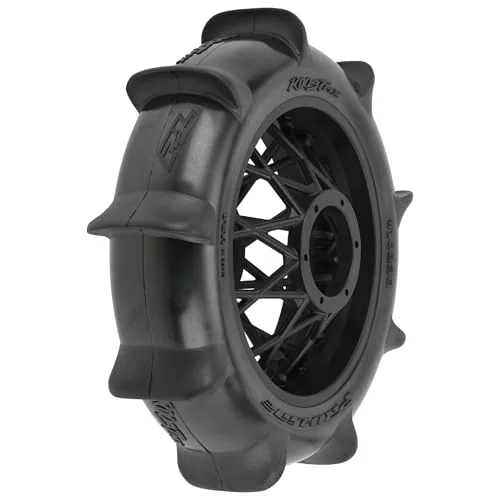
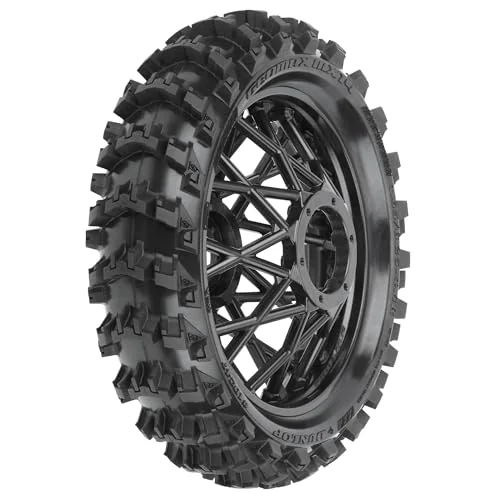
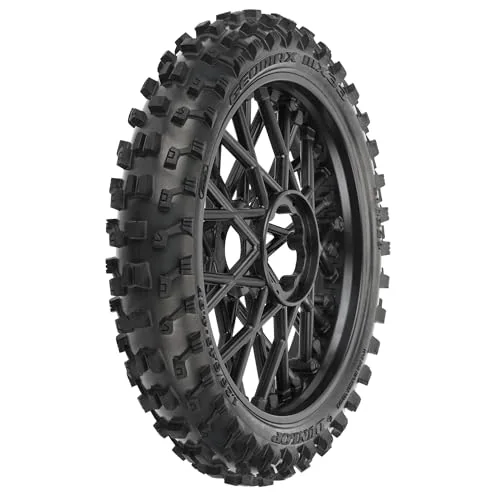
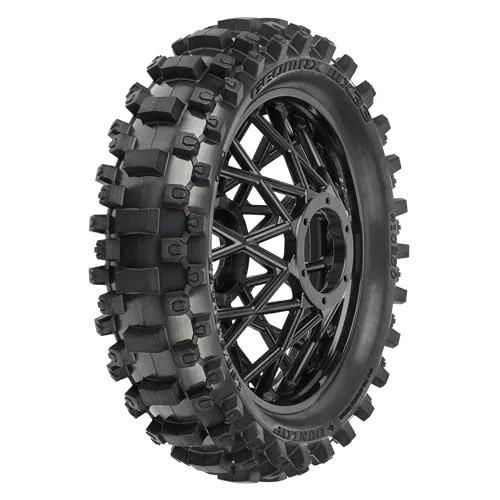
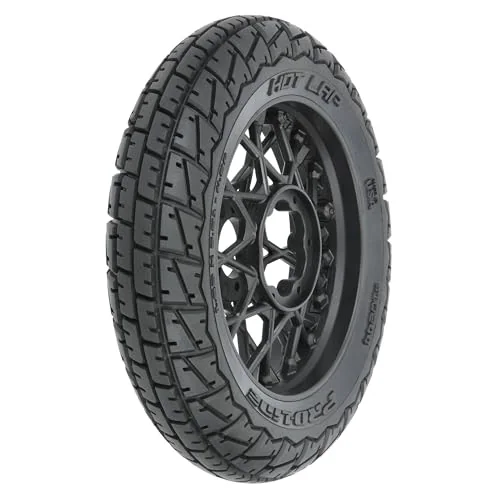
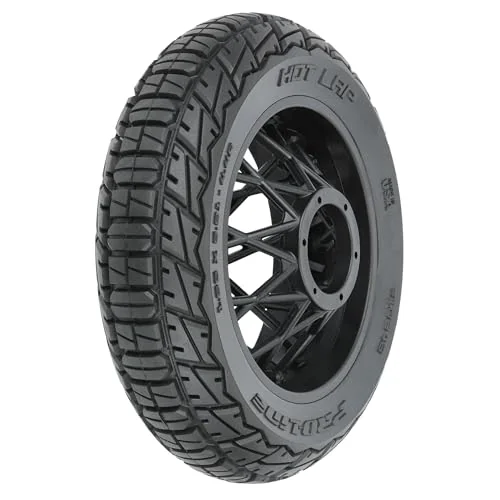
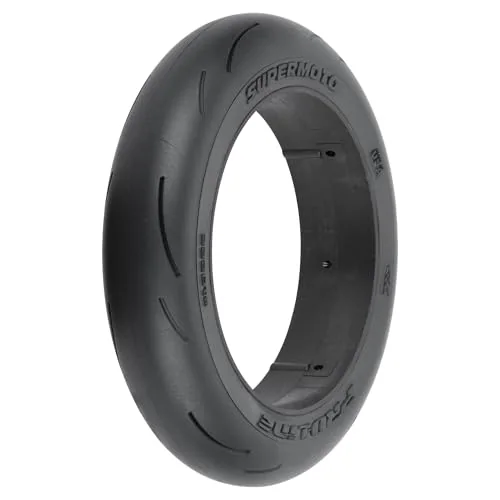
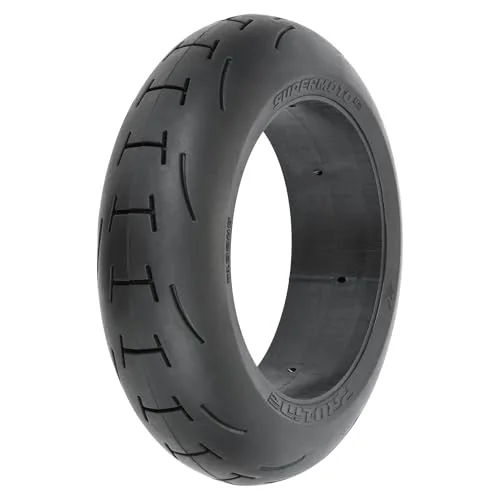
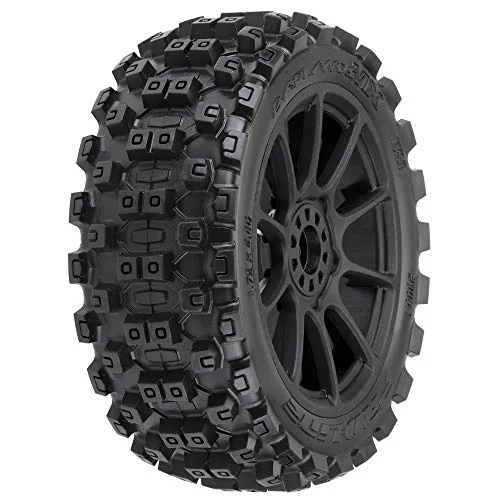
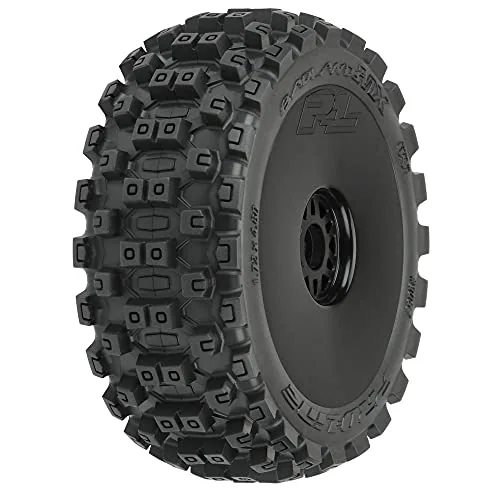
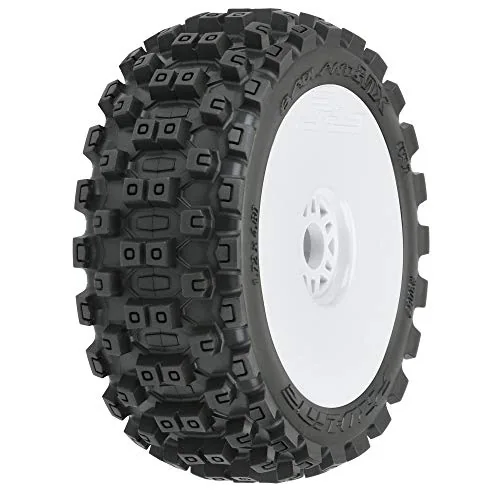
31 sets on this shelf
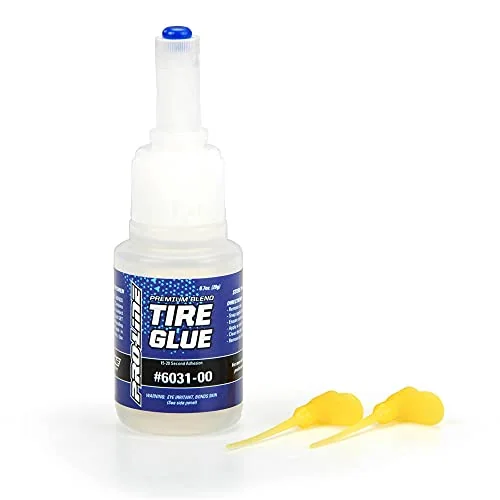
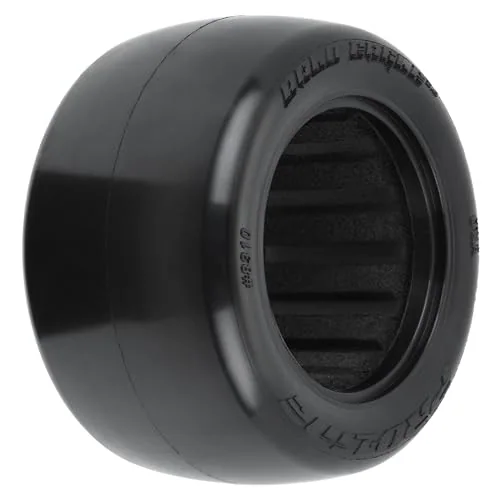
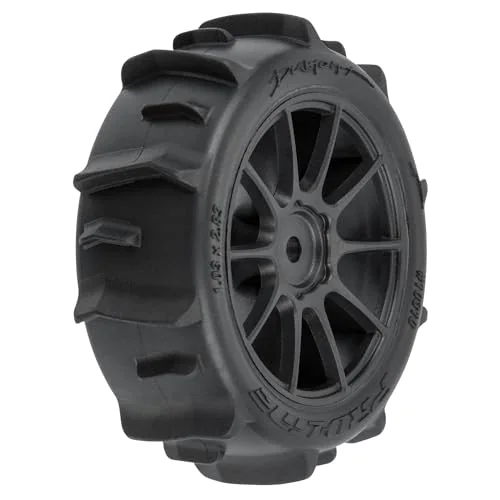
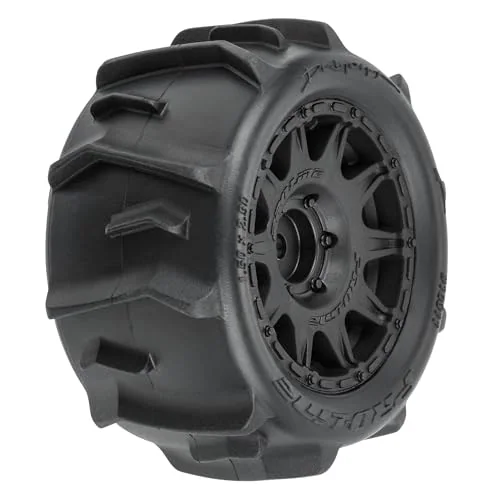
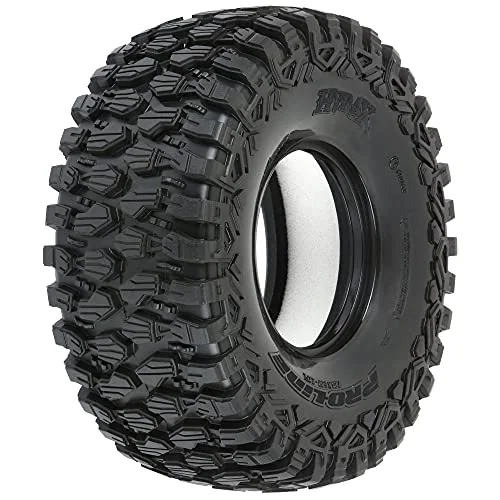
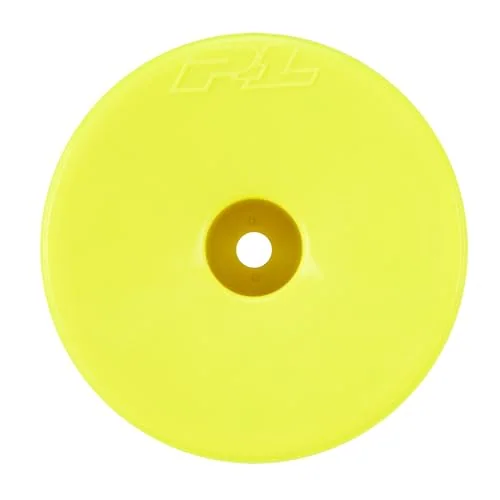
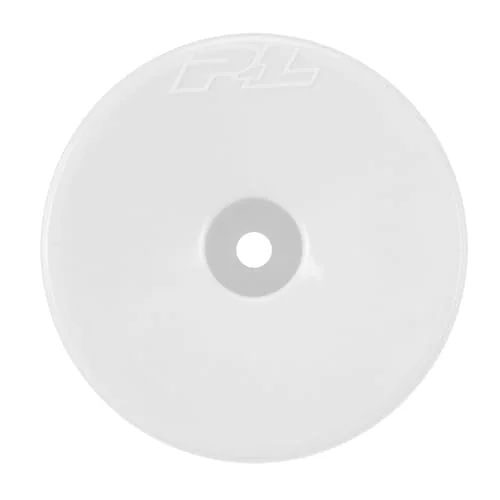
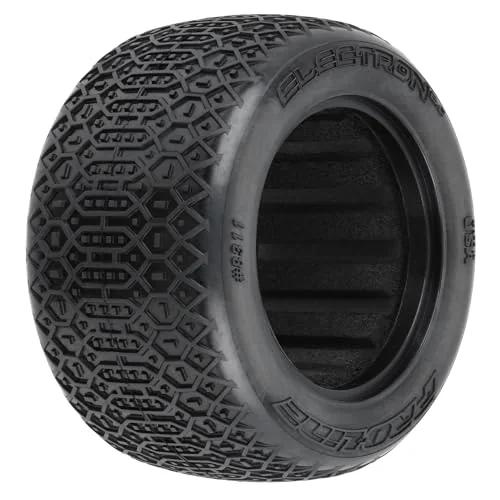
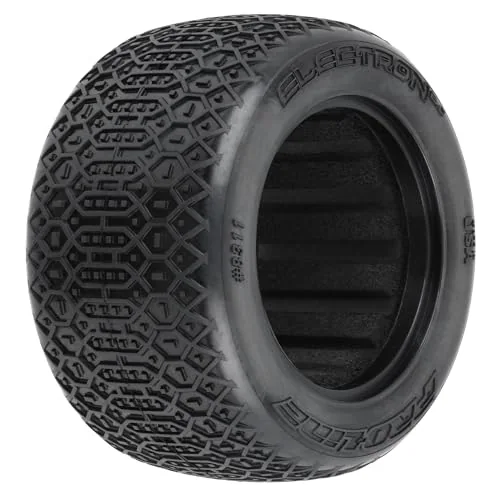
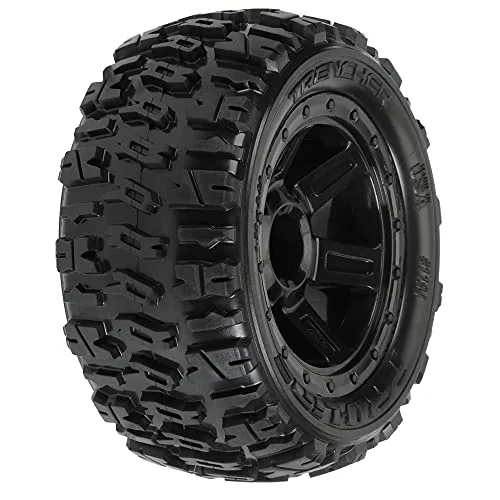
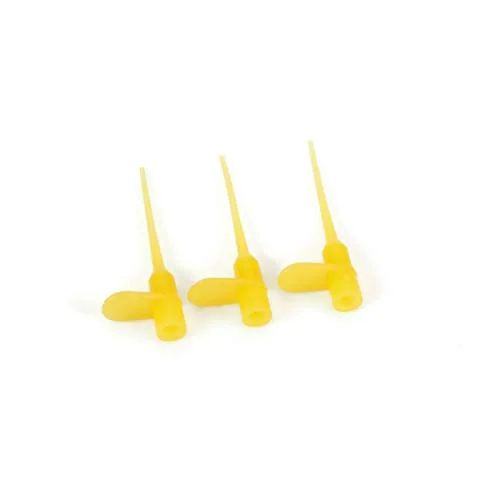
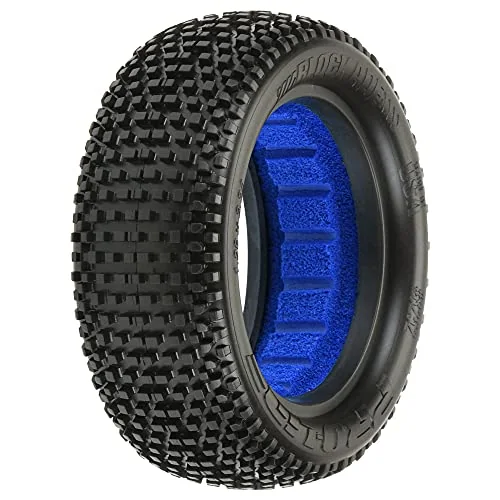
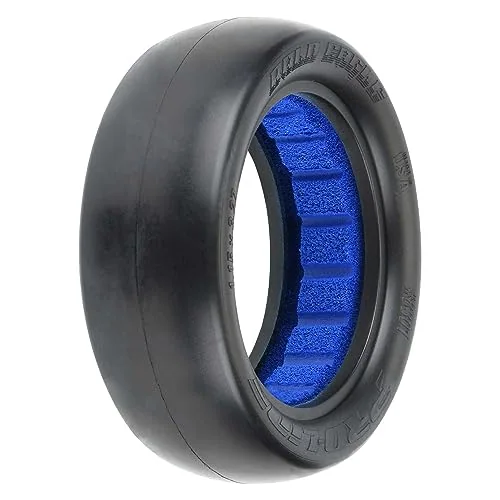
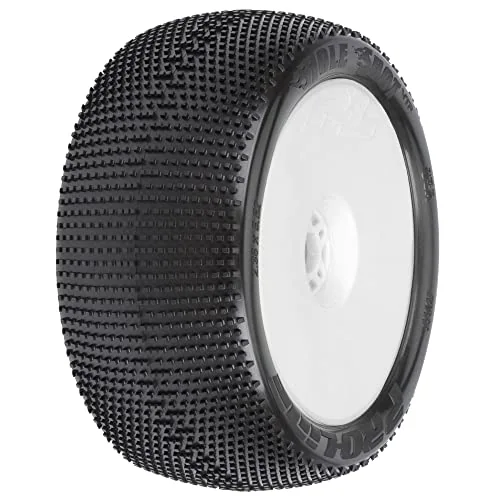
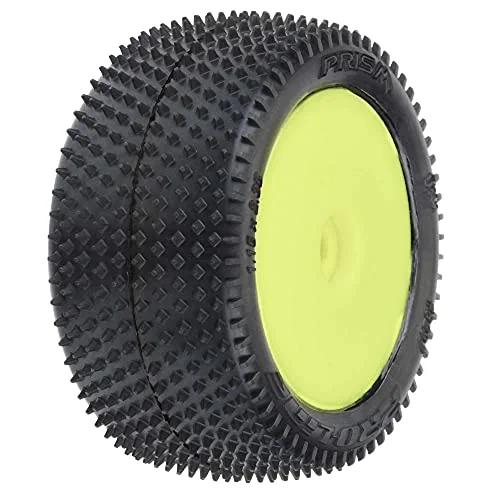
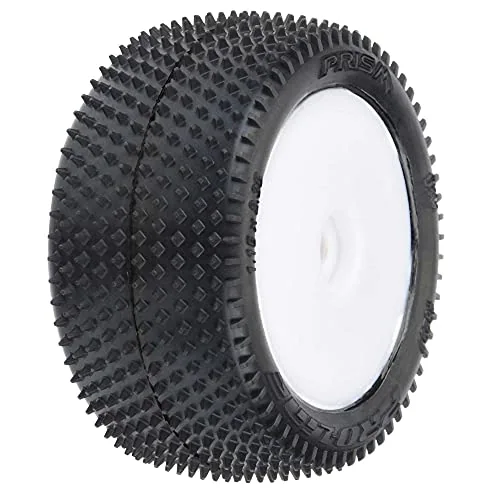
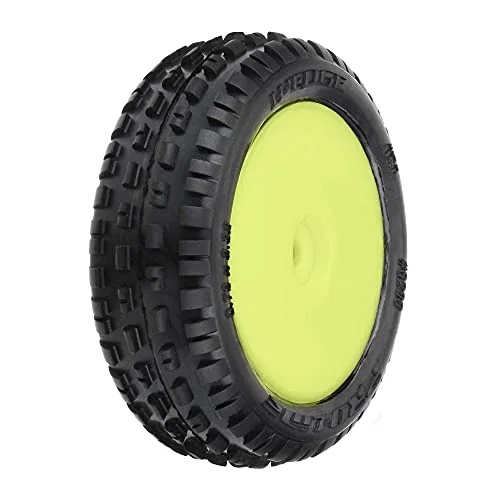
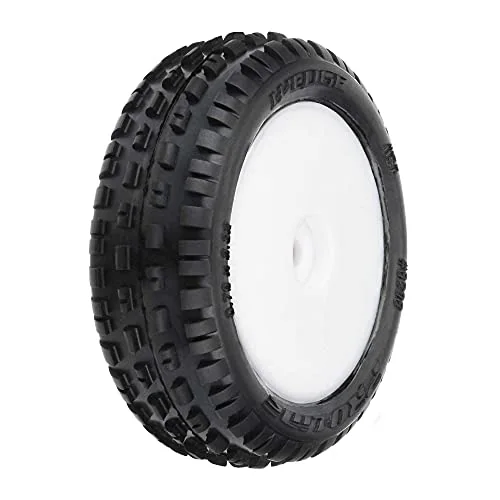
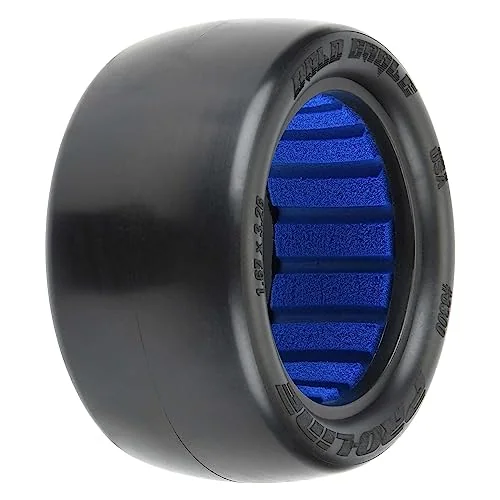
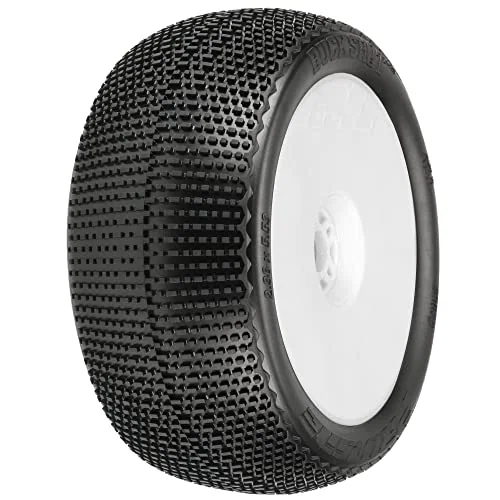
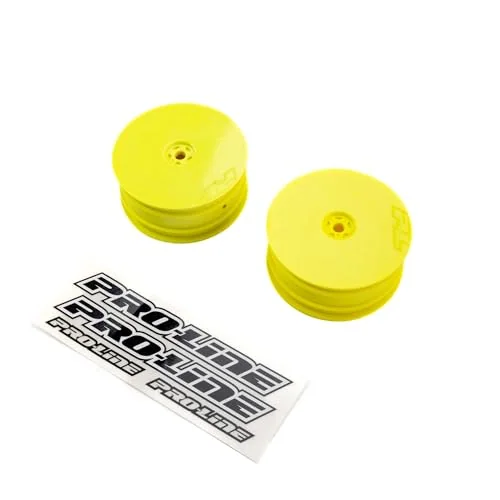
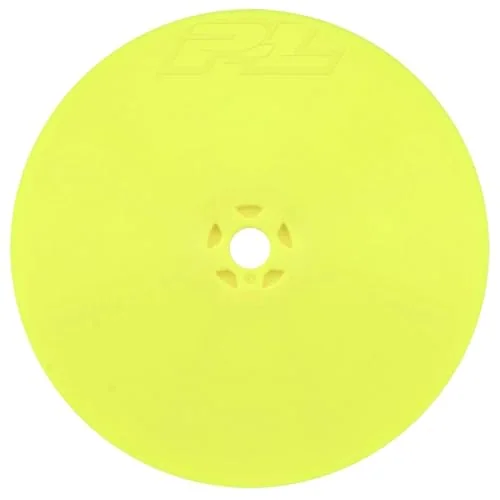
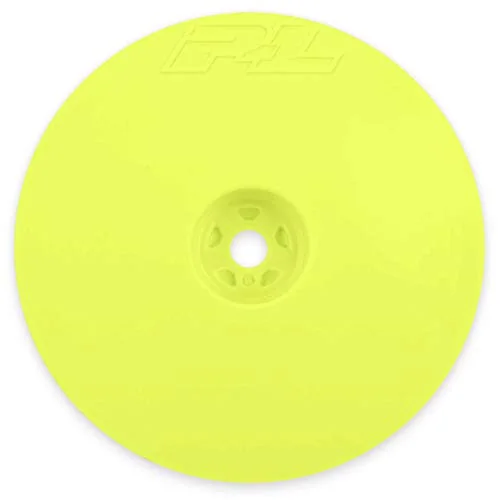
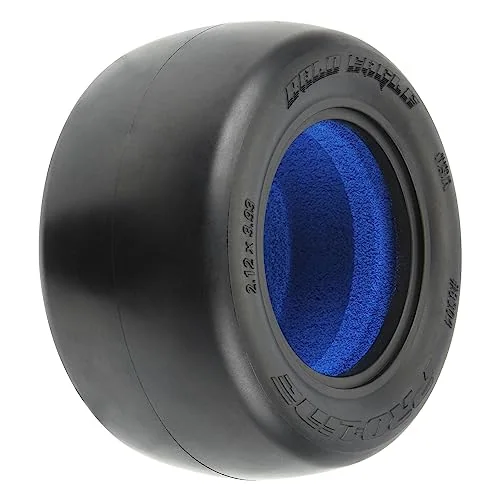
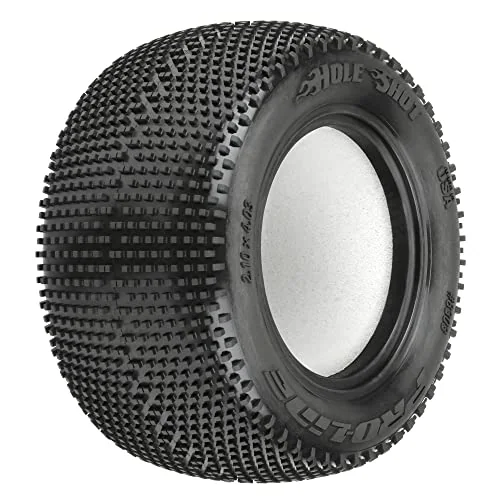
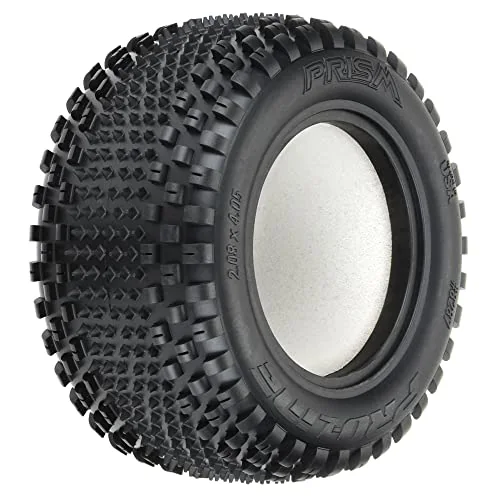
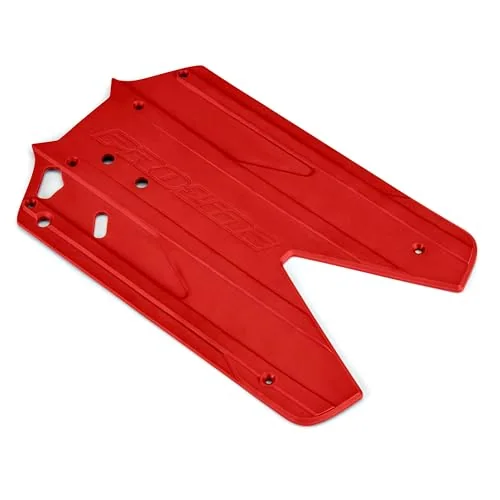
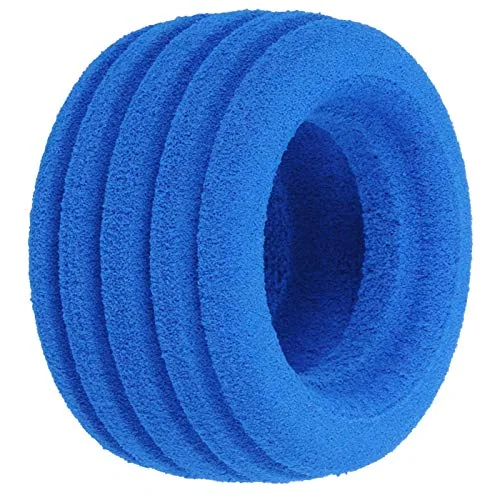
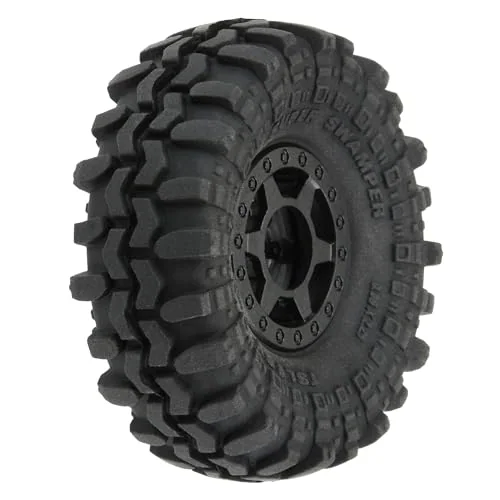
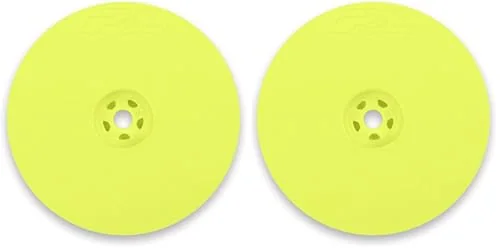
Every Pro-Line tire carries three numbers and you need all three. The first is the tire size in inches — 1.9 and 2.2 for crawlers and buggy, 2.8 and 3.0 for stadium and short course trucks, 3.8 for monster truck. The second is the hex that drives the wheel: 12mm hex on most 1/10 cars, 14mm on heavier trucks, 17mm hex on 1/8 buggy, truggy and the big bashers. The third is offset, which sets how far the wheel stands out from the hub.
Offset is the one people skip. A wider offset widens the track of the car, calms it down and adds steering bite at the cost of agility. A narrow offset makes the car rotate faster and puts more load through the inner edge of the tire. We publish the offset on every wheel so you can swap deliberately rather than by accident.
Compound is the rubber recipe and it matters more than tread on most days. Super soft and soft blends are for low grip: indoor clay, carpet, polished concrete, cold mornings. They give up wear in exchange for bite. Medium blends are the default for outdoor dirt and will survive a whole day. The firmer G8 and predator blends are rock terrain rubber — sticky but tough enough to be dragged over granite.
Inserts finish the job. A closed cell foam insert controls how the carcass folds under load; a soft insert lets the tire wrap a rock, a firm one keeps a racing tire from rolling over on a high grip corner. Every unmounted Pro-Line tire ships with the insert we designed for it.
A beadlock wheel clamps the tire bead between two rings instead of relying on glue. For crawling that is the right answer: you can change rubber trackside, run very low pressure and never pop a bead off in an awkward place. For racing, glue is lighter and faster, which is why our race wheels are plain.
If you would rather not glue anything, our pre-mounted sets arrive with tires mounted, trued and ready, in front, rear or front and rear pairs. The wheel color and the hex are part of the name.
Loose dirt and loam want open lugs that can move material. Hard packed blue groove wants a low profile tire with a tight pin pattern that will not squirm. Astro and carpet want a super soft compound and a short lug. Sand and snow want a paddle. Rock terrain wants a tall sidewall, a soft compound and a wheel you can clamp.
Short course and desert trucks sit in between and carry more weight, so we build them a tire with a stiffer carcass. Monster truck rubber is the extreme end of the same idea — a 3.8 tire has to carry a heavy vehicle onto a landing without folding.
Measure the outside diameter of the mounted tire at full height and the width across the tread, both in millimeters, and note the rim size in inches. The inch figure in a Pro-Line name — 1.9, 2.2, 2.8 — is the wheel the tire fits, not the height of the tire itself.
The hex is the six-sided drive adapter on the axle that turns the wheel. 12mm hex is standard on 1/10 buggies and touring cars, 14mm on heavier 1/10 trucks, 17mm hex on 1/8 buggy, truggy and large scale. Our removable hex wheels accept 12mm and 14mm from the same set.
Offset is the distance between the wheel's mounting face and its centerline, in millimeters. More offset pushes the wheel outward and widens the car; less offset tucks it in. Front and rear often use different offsets on the same vehicle.
Start with the right compound — a super soft tire on a cold track beats any additive on a hard one. After that, drop a little pressure, make sure the insert suits the surface, and keep the tread clean and free of dust. Check your class rules before using traction compound.
You cannot usefully soften cured rubber, so buy the softer compound instead. What you can change is the insert and the air: a softer foam and a vented wheel let the carcass deform more, which feels like a softer tire and is kinder to the tread.
For bashing and practice, yes — a medium or firm compound that lasts a season costs less per run than a race tire you wear out in an afternoon. For a race day where the result matters, fit the soft compound and accept the wear.
Compounds mixed, molds cut and shells formed by our own team.
Popular Pro-Line sizes are kept on the shelf, not retired after a season.
Scores and counts are read off the live listing, never adjusted by us.
Size, hex and offset in plain text so a wheel bolts on first time.