Tire size is the wheel, not the tire
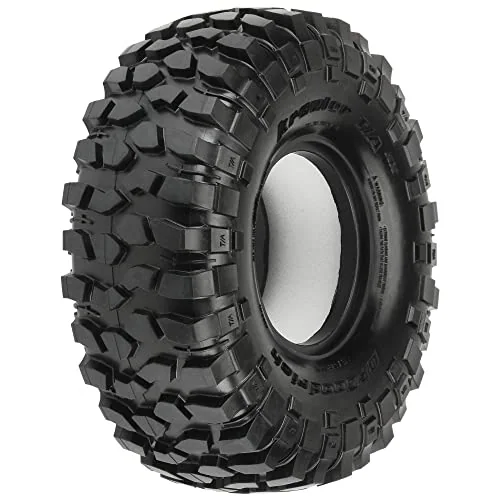
When we call a tire 1.9, 2.2 or 2.8 we are naming the wheel diameter in inches that it mounts to. The outside diameter of the finished tire is a separate number and varies hugely within a size — a 2.2 crawler tire can stand 120mm tall while a 2.2 buggy tire stands 85mm.
That is why we publish both. Measure the overall diameter against your wheel arches before you order a taller set, because a tire that rubs is a tire that cuts itself.
Hex size
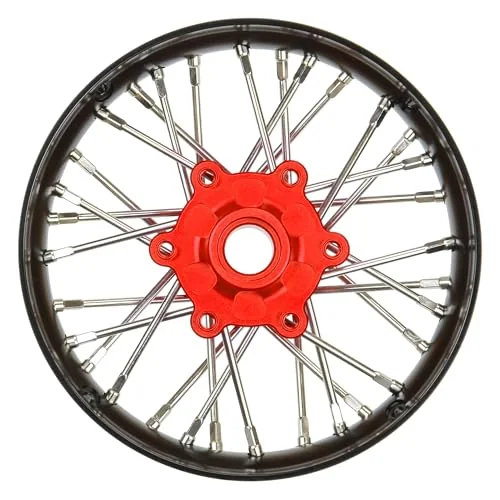
The hex is the hexagonal drive adapter that sits on the axle. 12mm hex covers most 1/10 buggies, touring cars and stadium trucks. 14mm appears on heavier 1/10 trucks. 17mm hex is the 1/8 buggy, truggy and large scale standard. Smaller GROM-sized vehicles use 8mm and 9mm.
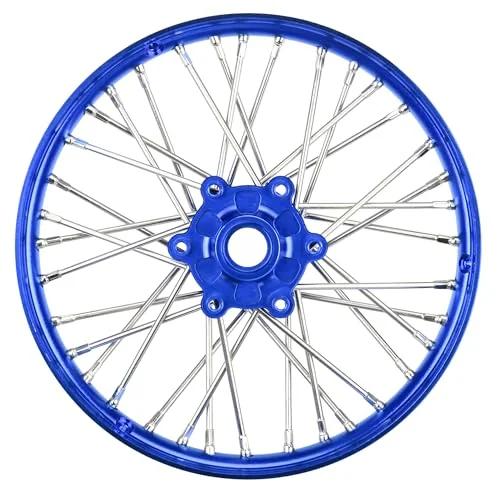
Our removable hex wheels take 12mm and 14mm inserts from the same set, which is the easy answer if you keep two cars with different drivelines in the same pit box.
Offset, track width and what changes
Offset is measured in millimeters from the mounting face to the centerline of the wheel. More offset pushes the wheel out, widens the track, adds stability and steering bite, and slows the car down slightly in tight sections. Less offset tucks the wheel in, speeds up direction changes and loads the inner edge of the tread.
Front and rear are often deliberately different. If the car pushes on entry, try a wider front. If it is loose on power, try a wider rear. One change at a time.
Mounted or unmounted
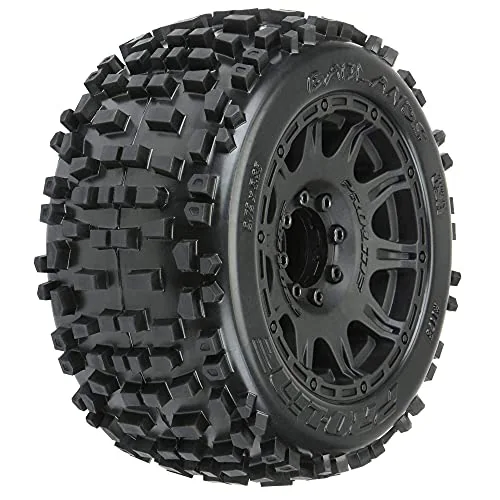
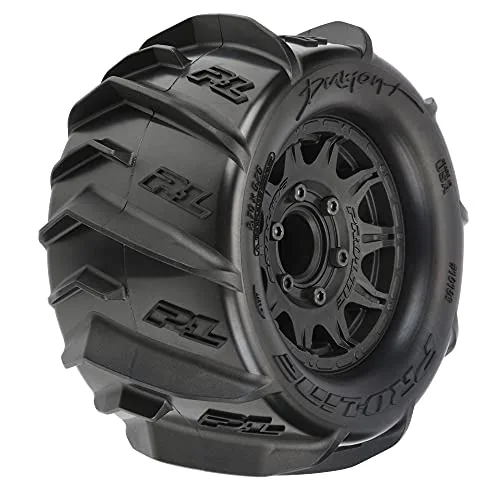
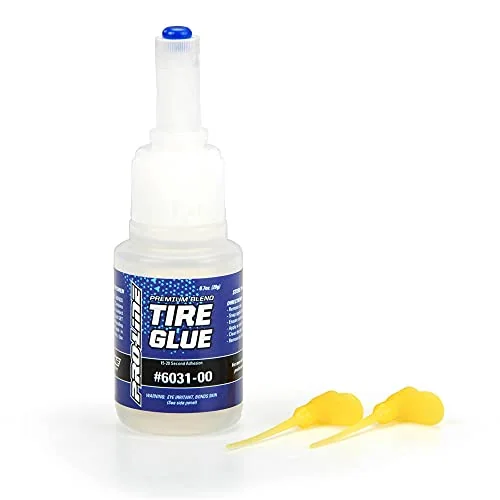
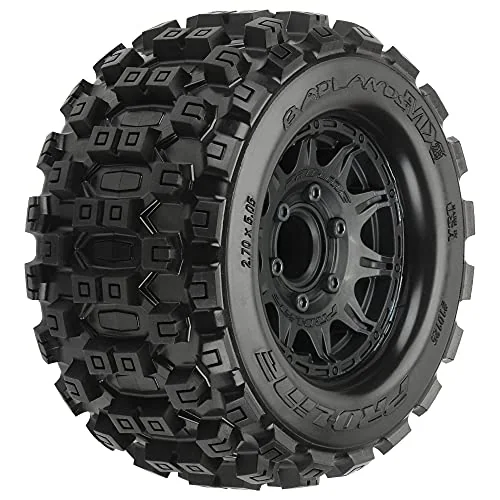
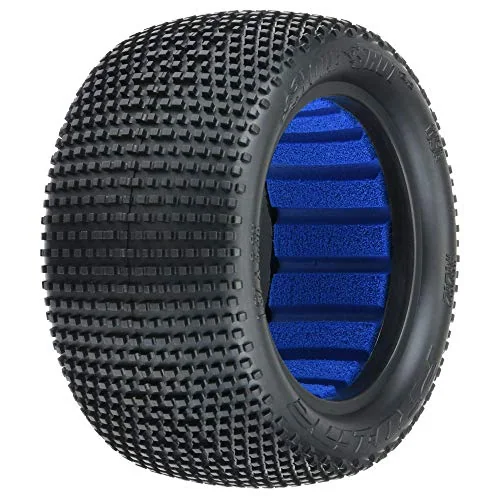
Pre-mounted sets are glued, trued and balanced on our wheels, named by wheel color and hex. Unmounted tires come with the insert and a bead to glue. Gluing well is a skill worth learning: clean the bead with alcohol, work in quarters, and use thin glue sparingly.
Beadlock wheels skip the glue entirely by clamping the bead mechanically. For crawling at very low pressure there is no substitute.