Read the surface before the catalog
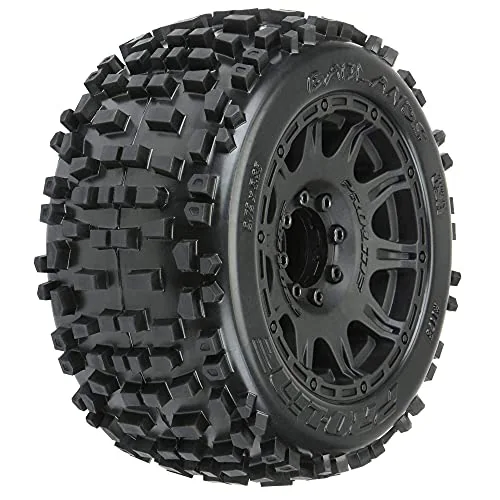
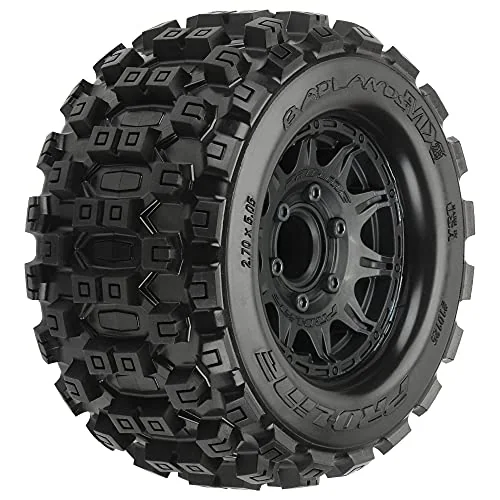
Grip comes from the surface first. Freshly watered clay and indoor carpet make grip cheaply, so a soft tire can be run without wearing out in a heat. Dry hard pack and blue groove make almost none, so the tire has to do the work. Loose loam has plenty of material to push against but nothing to stick to, so tread shape matters more than rubber recipe.
Temperature moves all of it. The same compound that is perfect at noon can be greasy at eight in the evening. When in doubt, pick the softer blend for a short run and the harder one for a long day.
What our compound names mean
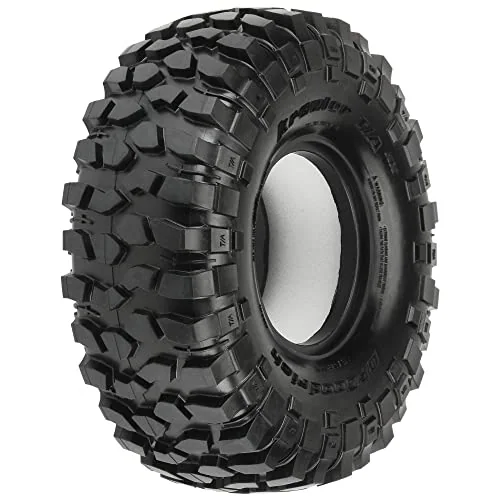
Super soft and soft are low grip blends for carpet, clay, astro and cold conditions. Medium is the all-rounder for outdoor dirt. Firm and the rock terrain blends — G8, predator — trade outright bite for the toughness a crawler needs when it is dragged sideways across granite.
A compound is only comparable within a tread family. A soft rock terrain tire and a soft carpet tire do not feel the same, because the carcass and the lug height differ by design.
Inserts: the part nobody photographs
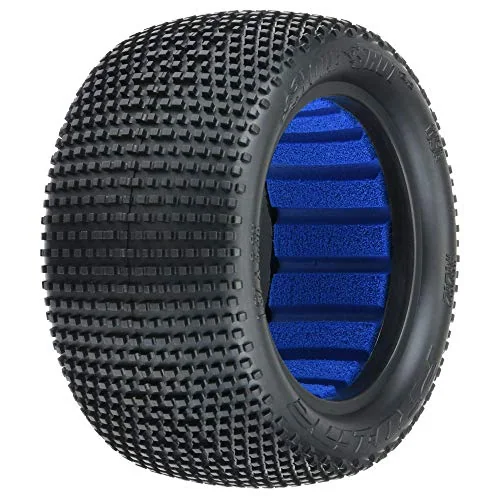
The closed cell foam inside a tire sets how the carcass folds. A soft insert lets the tread wrap an obstacle, which is everything in crawling. A firm insert stops a racing tire from rolling onto its sidewall in a high grip corner. A dual stage insert does both, soft at the edge and firm in the middle.
Replace inserts when they take a permanent set. A collapsed insert makes a new tire feel worn out, and most of the time that is what people are actually complaining about.
A short cheat sheet
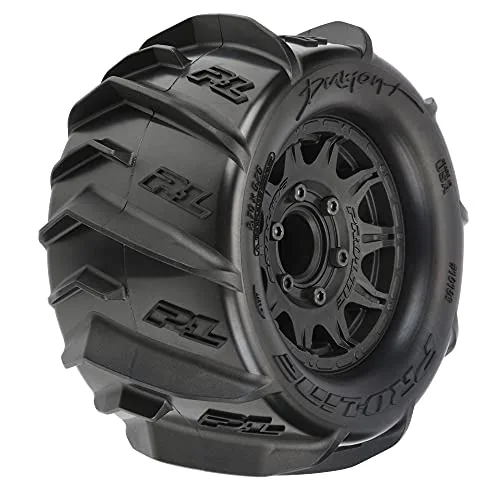
Indoor clay or carpet: super soft compound, firm or dual stage insert, low tread height. Outdoor dirt: medium compound, standard insert, open tread. Hard pack: medium or firm, low profile, tight pin pattern. Rock terrain: soft rock blend, soft insert, tall sidewall, beadlock wheel. Sand or snow: paddle tread, whatever compound survives the temperature.
Write down what you ran and how it felt. Two seasons of those notes are worth more than any guide, including this one.